03-10-2026Price:

The Frontier

Your signal. Your price.

BUSINESS

Credit Bubble Meets Geopolitical Weaponization

Tuesday, March 10, 2026 · from 2 podcasts
  • A massive, fraudulent credit bubble in the shadow banking sector is primed to unravel, threatening forced asset sales and economic damage.
  • Geopolitical instability is now economic warfare, with adversaries targeting US fiscal weaknesses through commodity price manipulation.
  • The combination exposes a fragile financial system where traditional safe havens are failing and unregulated excess is being tested.

A credit bubble built on fraud is about to meet a geopolitical stress test.

According to analysis on What Bitcoin Did, the shadow banking sector inflated a massive private credit bubble after 2008. Non-bank lenders, often funded by regulated banks, lent to risky borrowers with almost no due diligence, operating under the fatal assumption of high, risk-free returns. Recent failures have exposed stunning levels of fraud, where collateral was never verified.

The inevitable unwinding will follow a familiar script. Forced selling will lead to distressed selling, then fire selling. While not a 2008-level collapse, the damage will spill into leveraged loans and the high-yield market, layering misery onto an already weak real economy.

Simultaneously, geopolitical adversaries are targeting the system's other flank. On The Jack Mallers Show, Jack Mallers argues Iran is retaliating against US pressure by choosing inflation over nuclear weapons. By manipulating oil prices, Iran aims to trigger an inflationary spike it believes the politically sensitive and fiscally strained US cannot withstand.

This economic warfare is breaking traditional financial rules. The bond market, typically a wartime safe haven, is failing. Yields are rising instead of falling, signaling a critical lack of confidence among the foreign creditors the US system depends on. The fragility is visible in whiplashing oil futures and renewed stock market volatility.

Together, these threats reveal a system under dual pressure. Internal rot from unregulated credit excess meets external attack targeting monetary and fiscal weaknesses. The rules are that there are no rules.

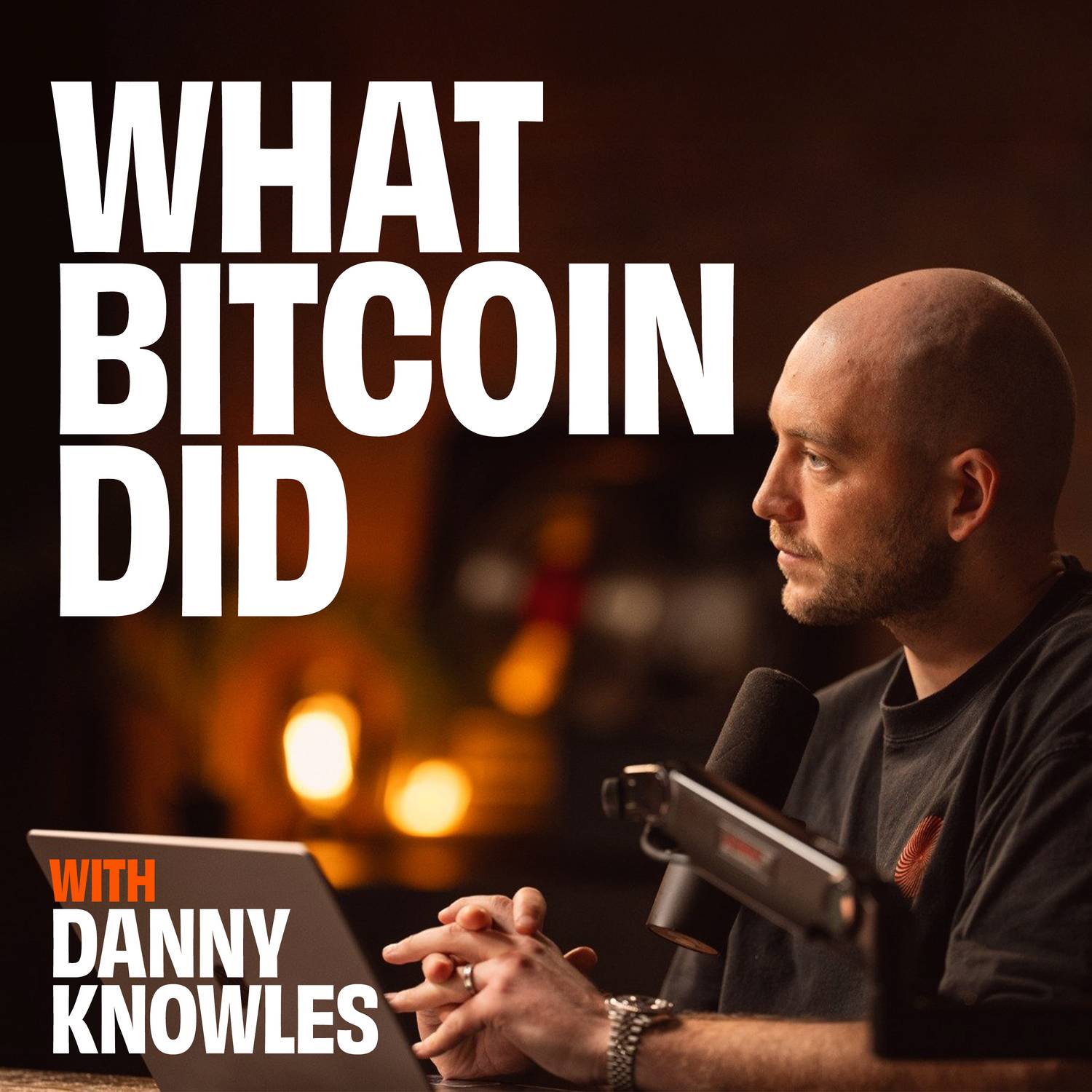
Jeff Snider, What Bitcoin Did:

- Everyone in the space convinced themselves they could generate high levels of return that were essentially risk-free, which whenever you hear that, alarm bells should be ringing because there's no such thing in finance.

- There's no such thing as high rates of return with low risk. It's high rates of return with what are perceived to be low risk until they're not actually low risk.

Source Intelligence

What each podcast actually said

Oil, Bonds, and Bitcoin: The Rules Are That There Are No RulesMar 10

Also from this episode:

Middle East (5)
  • Iran is retaliating against US pressure by manipulating oil prices to trigger inflation, according to host Jack Mallers.
  • Iran's counterattack is economic, not nuclear, exploiting US debt burden and political intolerance for inflation.
  • Iran is betting it can outlast the US in a protracted price war because Washington cannot afford it.
  • Host Jack Mallers stated, 'I think that Iran is choosing inflation over nuclear weapons.'
  • Mallers also said, 'Iran's fight back is through the oil price.'
Macro (2)
  • Mallers argues Iran believes the fiscally strained US, with its $40 trillion debt, cannot withstand another inflationary spike.
  • The system depends on exporting dollars to finance imports, a circular game that cracks when trust evaporates.
Energy (1)
  • Mallers states Iran is weaponizing energy prices by threatening to disrupt oil flows.
Markets (4)
  • The bond market is failing as a traditional wartime safe haven, with yields rising instead of falling during current turmoil.
  • Mallers notes this yield inversion suggests foreign creditors are losing confidence in US credit.
  • Sunday night saw a massive spike in oil futures followed by a complete reversal, which Mallers interprets as evidence of fragility.
  • The S&P 500's first 5% correction since November adds to the picture of a perfect storm of war and financial stress.
War (2)
  • Mallers sees war destabilizing the geopolitical order while financial stress exposes what he calls the monetary ponzi scheme.
  • Traditional wartime finance is breaking down, leaving the dollar system exposed to a new form of asymmetric warfare.

Is This The Start Of A Financial Crisis? | Jeff SniderMar 3

  • A credit bubble has inflated in the shadow banking sector, driven by a false belief in "risk-free" high returns.
  • Widespread lack of due diligence and outright fraud in private credit mirrors past bubbles, though the underlying assets differ from 2008.
  • While not an "end of the world" scenario, its unraveling will cause significant financial and economic damage, impacting an already weak real economy.