03-28-2026Price:

The Frontier

Your signal. Your price.

BUSINESS

Snider warns shadow banking system faces imminent collapse

Saturday, March 28, 2026 · from 4 podcasts
  • The shadow banking system faces a chain reaction of forced and fire sales as investor confidence evaporates.
  • A simultaneous crisis of trust is fracturing crypto markets, breaking the link between revenue and price.
  • Both crashes stem from fragile systems built on confidence, with capital now fleeing into hard assets.

The financial system’s escape valve is closing. Across crypto and credit markets, a single fracture point is emerging: a collapse in confidence that can reverse entire funding chains overnight.

On *This Week in Startups*, Jeff Snider detailed the mechanics of a looming shadow bank crisis. These non-bank lenders filled the credit gap after 2008, funded by traditional banks in a recursive loop. When confidence in that loop cracks, the reversal is swift: forced selling leads to distressed selling, then fire selling.

Jeff Snider, This Week in Startups:

- When the funding market freezes, it doesn't matter how good your assets are - you get sold anyway.

The same pathology is playing out in digital assets. On *Forward Guidance*, Michael Ippolito noted that despite strong fundamentals and institutional inflows, the average token price is down 80%. The link between performance and valuation has snapped because investors simply don’t trust the opaque, fragmented data.

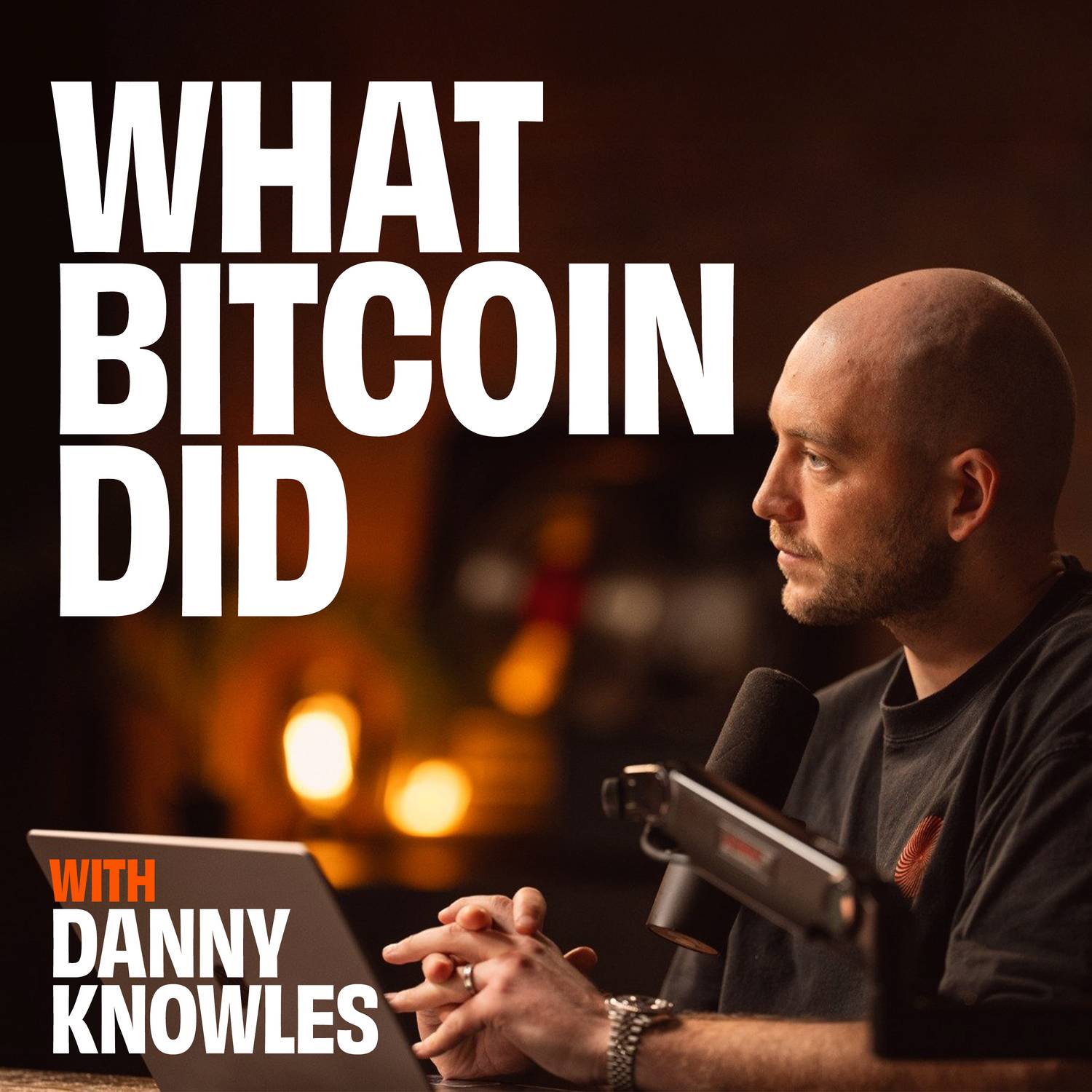
This dual crisis of trust - in shadow banking liabilities and in crypto assets - reveals a broader fragility. Eric Yakes, on *What Bitcoin Did*, argues the global system is nearing an inflection point where paper promises no longer match reality. The response is a coordinated flight to commodities and hard assets, an “opting out of the credit game.”

Eric Yakes, What Bitcoin Did:

- The commodity trend is an opting out of the credit game. If you can manipulate the paper, you can manipulate the allocation.

The question is how far the dominos fall. Snider sees parallels to every bubble in history - same human behavior, different wrapper. The structure this time is different, but the pattern of collapsing confidence is familiar. Capital is already rotating, seeking exits from systems built on fragile trust.

Entities Mentioned

BlockworksCompany
Jeff SniderConcept
StripeCompany

Source Intelligence

What each podcast actually said

Investor Relations in the Onchain EraMar 24

  • Institutional capital from stablecoins, RWAs, banks, and firms like Stripe is piling into crypto, Michael Ippolito notes, but the average token price is still down about 80% since 2021.
  • Ippolito argues the link between on-chain fundamentals, like rising revenue, and token valuations snapped in 2025 because investors no longer trust the data, not because the technology failed.
  • The core market failure is informational, with scattered data, nonexistent disclosures, and ad hoc reporting leaving investors flying blind without standard earnings calls or quarterly reports.
  • This opacity is a structural flaw, Ippolito claims, fueling fragmented liquidity, broken value accrual, and a system that rewards obfuscation over transparency.
  • Blockworks is launching an Investor Relations platform, bundling analytics, portals, and advisory to help protocols tell credible data-driven stories and restore investor confidence.

Compliance Startup Scandal... Is Delve Guilty? | E2266Mar 24

  • Shadow banks expanded after 2008 by redistributing credit to high-risk borrowers excluded from traditional banking, funded indirectly through bank-backed wholesale funding markets.
  • Jeff Snider argues the current crisis follows the same behavioral pattern as past financial bubbles - overleverage, confidence collapse, forced selling - but plays out in the non-bank financial sector rather than commercial banks.
  • Funding market freezes trigger asset sales regardless of underlying asset quality, as liquidity needs override valuation, leading to fire sales in a cascading failure.
  • Jamie Dimon draws parallels between current financial stresses and the 2008 crisis, warning of systemic risk, though structural differences limit direct comparison.
  • Snider contends the 2008 comparison is directionally valid but structurally inaccurate - this crisis stems from non-bank finance and repo market fragility, not mortgage-backed securities at commercial banks.
  • The collapse sequence follows a three-stage domino effect: forced selling due to margin calls, then distressed asset disposal, culminating in fire sales as liquidity vanishes.
  • Non-bank financial institutions now occupy the systemic role once held by traditional banks, creating new transmission channels for financial instability absent regulatory safeguards.
What Bitcoin Did
What Bitcoin Did

Peter McCormack

The Commodity Shift, Credit Crisis & Bitcoin | Eric YakesMar 24

  • Eric Yakes argues the global shift to physical commodities represents a systemic opt-out from a credit system where the gap between paper claims and real-world value has widened to a crisis point.
  • Yakes states that coordinated global stress and unsupportable debt will force a historic-scale monetary printing event or direct sovereign aggression, as traditional pressure release valves no longer function.
  • The post-2008 era established a trend of sovereigns increasing commodity holdings and reducing exposure to US Treasuries, with Japan's shift away from funding US debt being a symptom of this structural move.
  • Yakes contends that crises erupt when the accounting reality of debt departs from the paper claims, causing panic, a dynamic he sees accelerating into an unavoidable inflection point.

Also from this episode:

BTC Markets (2)
  • Yakes sees Bitcoin as the primary rotation target for technology capital and gold-focused investors once traditional asset euphoria peaks, citing its status as a hard asset outside the credit system.
  • The $5 trillion market cap threshold could serve as a 'suddenly' moment where Bitcoin's systemic role becomes undeniable to global capital structures, not just niche communities.
Adoption (1)
  • Yakes predicts that sovereign adoption will be the next major catalyst for Bitcoin, expecting more nation-state headlines as its market cap approaches $5 trillion.

Why AI Actually Won't Take Your JobMar 22

  • Jeff Snider argues shadow banks emerged post-2008 to fill credit gaps left by traditional banks, funding risky borrowers through opaque channels.
  • Shadow banks depend on traditional banks for liquidity, creating a recursive funding loop that amplifies systemic risk when confidence erodes.
  • Snider describes a cascading collapse sequence: forced selling triggers distressed selling, which escalates into fire sales during liquidity crunches.
  • Snider compares current financial dynamics to historical bubbles, noting identical investor psychology despite different structural mechanisms.
  • Jamie Dimon draws parallels between current conditions and 2008, but Snider argues the underlying architecture of risk is structurally distinct.
  • Snider defines shadow banking as the modern iteration of the 'parallel banking system,' operating outside traditional regulatory safeguards.
  • When shadow banks lose access to funding, they can't roll over liabilities, forcing asset sales that destabilize broader markets.