Young Americans aren’t planning for retirement; they’re betting on memecoins. The Stacker News Live crew diagnosed this as a generational shift to financial nihilism. With pathways to housing and stability blocked, the game changes from production to speculation. Ozempic for the body, meme-stocks for the portfolio.
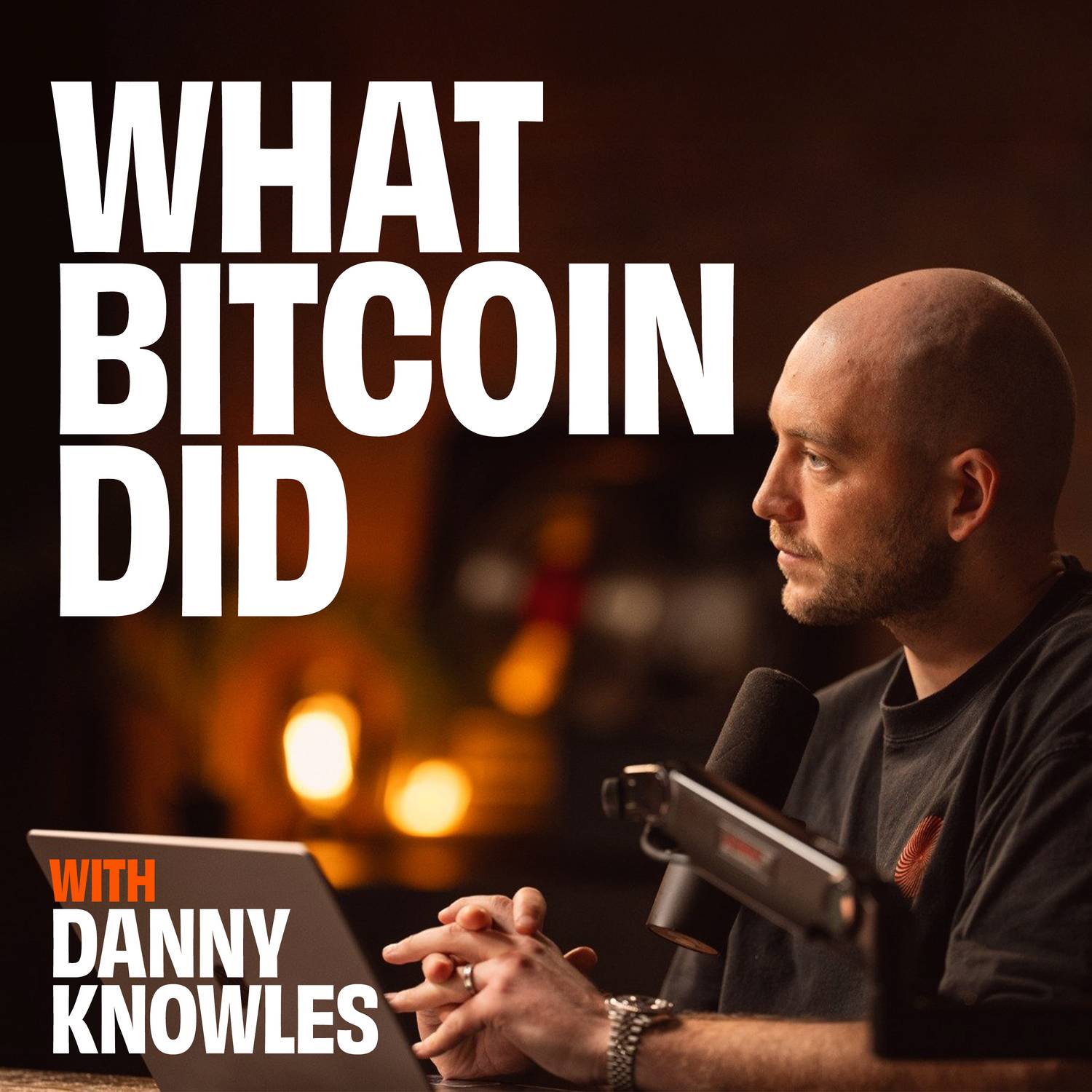
This creates a cultural headwind for Bitcoin’s core message of long-term sovereignty and reason. On What Bitcoin Did, philosopher Bradley Rettler argued that outsourcing thinking to AI creates a dangerous feedback loop, atrophying the independent rationality required to opt out of a broken system. “The more that you use AI as a substitute for your own thinking, the worse you get at thinking yourself,” Rettler said.
The Bitcoin developer ecosystem is grappling with its own internal contradictions. Jimmy Song and others are launching a non-profit to maintain a “conservative” fork of Bitcoin Core, aiming to freeze the protocol’s development to preserve it strictly as money. This move stems from a fear that the influx of institutional grant money is professionalizing - and silencing - the open-source ethos that built the network.
Keon, Stacker News Live:
- Since the grants started really kicking off, we've had a lot of developers pull back.
- I think it's worth questioning whether there's actually a causal relationship between that.
The tension is clear: a generation seeking shortcuts clashes with a system built on patient, rational self-sovereignty. For Bitcoin to become the exit it promises, it must bridge that gap. Technical improvements, like Lexi’s work on offline Lightning payments via secure enclaves, aim to match the convenience of the fintech apps nihilistic Gen Z already uses, hoping the underlying philosophy follows.