Apple’s moment of reckoning arrived quietly. John Ternus, the hardware architect behind the AirPods and iPad, steps into the CEO role in September not to maintain Tim Cook’s legacy - but to dismantle it. Cook leaves behind a $4 trillion empire built on supply chains, not innovation. Under his tenure, the stock rose nearly 2,000%. But in AI, Apple missed everything.
The company’s much-hyped "Apple Intelligence" launch underwhelmed, forcing reliance on Google’s Gemini models - a dependency The Economist’s Tom Lee Devlin calls humiliating. Siri remains a joke. The Mac Mini became the go-to agentic hardware not by design, but because it was the best available. Apple’s AI relevance is accidental, not earned.
"Ternus isn’t being promoted to write better code. He’s there to build the next generation of AI-native devices."
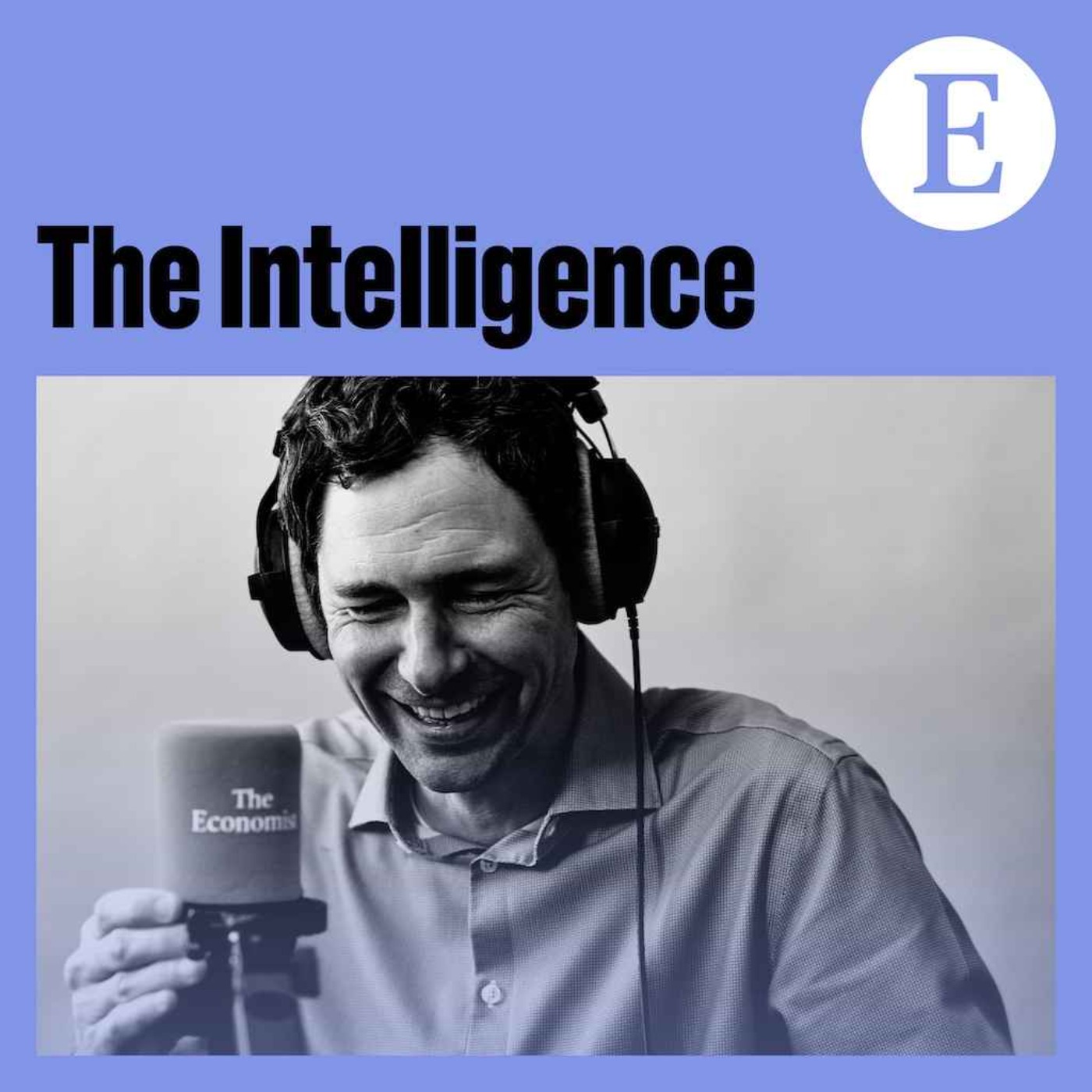
- Tom Lee Devlin, The Intelligence from The Economist
Ternus represents a pivot back to physical integration. He spent half his life at Apple, trained under Jobs and Cook. His mandate: prove AI is a feature of the device, not the cloud. Insiders say the focus is on wearables and smart glasses - products that embed intelligence into the body and environment, not just the screen.
The broader tech world isn’t waiting. Amazon committed $25B to Anthropic in an equity-for-compute deal, securing 5 gigawatts of power and Trainium chips in exchange for model access. The move cements a new era: outsourced intelligence. Meanwhile, Google recalled Sergey Brin to lead a strike team at DeepMind, aiming to push Gemini past 100% self-coded output.
"The NSA is actively using its Mythos preview model. The Pentagon calls them a risk. Trump says they’re 'very smart.'"
- Nathaniel Whittemore, The AI Daily Brief
Apple’s path is clear: hardware as salvation. But the clock is ticking. While Amazon and Google lock in compute and code, Apple bets that the next interface isn’t a chatbot - it’s a pair of glasses. The question isn’t whether Ternus can catch up. It’s whether hardware alone can win a software war.