Legal constructs, not KYC checks, are the new firewall for AI agents. Christian van der Henst’s team built the vending machine business 'Valerie,' owned and operated by an OpenClaw AI agent. To bypass payment gateways that flag bot activity, they used a trust structure to make the agent the legal beneficiary - the business exists, but ownership is a legal fiction.
Jason Calcanis notes this is part of a broader scramble. On This Week in Startups, he argued the legal framework is undeveloped, while technical capability races ahead. He points to a Swedish cafe experiment where an AI posted job listings on Indeed and conducted phone interviews to hire a human barista. The logic is straightforward: if an agent can write code, it can manage business bureaucracy.
“The friction is currently legal rather than technical. Van der Henst noted that while the agent can fill a shopping cart, it hits a wall at the payment gateway because it lacks a passport for KYC compliance.”
- Christian van der Henst, This Week in Startups
Nvidia is now building the corporate security layer. OpenClaw’s open-source release in Q1 2025 triggered widespread experimentation, but enterprises need hardened systems. As Nathaniel Whittemore explained on The AI Daily Brief, Nvidia’s Nemo Claw wraps the agentic stack in a policy-based security sandbox, directly addressing CIO fears about granting network access to autonomous entities.
The canvas for agents is shifting from the cloud to the desktop. Perplexity CEO Aravind Srinivas argues chat is for answers, but the computer is for workflows. Companies like Manis and Adaptive are launching desktop apps for local task automation, bridging the gap between an LLM that knows things and an agent that operates a machine.
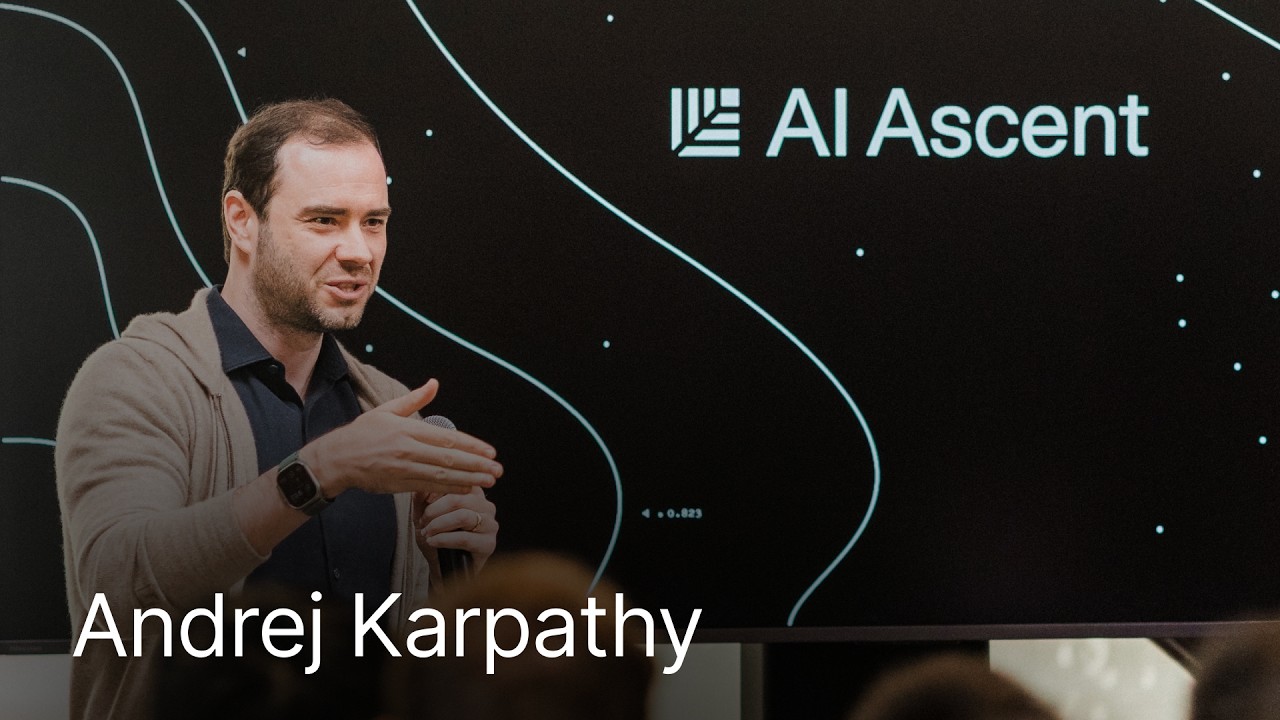
Andrej Karpathy frames this as the rise of agentic engineering. In his Sequoia Capital talk, he said professional software demands oversight that ‘vibe coding’ alone can’t guarantee. The modern programmer is a director managing a fleet of ‘intern entities,’ where skills like system design and taste become more valuable.
“Professional software still demands security and zero-day resilience that ‘vibes’ alone cannot guarantee. Karpathy views the modern programmer as a director managing a fleet of ‘intern entities.’”
- Andrej Karpathy, Sequoia Capital
The consensus is clear: the technical demo phase is over. Agents are moving into production, managing businesses and local workflows, while the law scrambles to catch up.