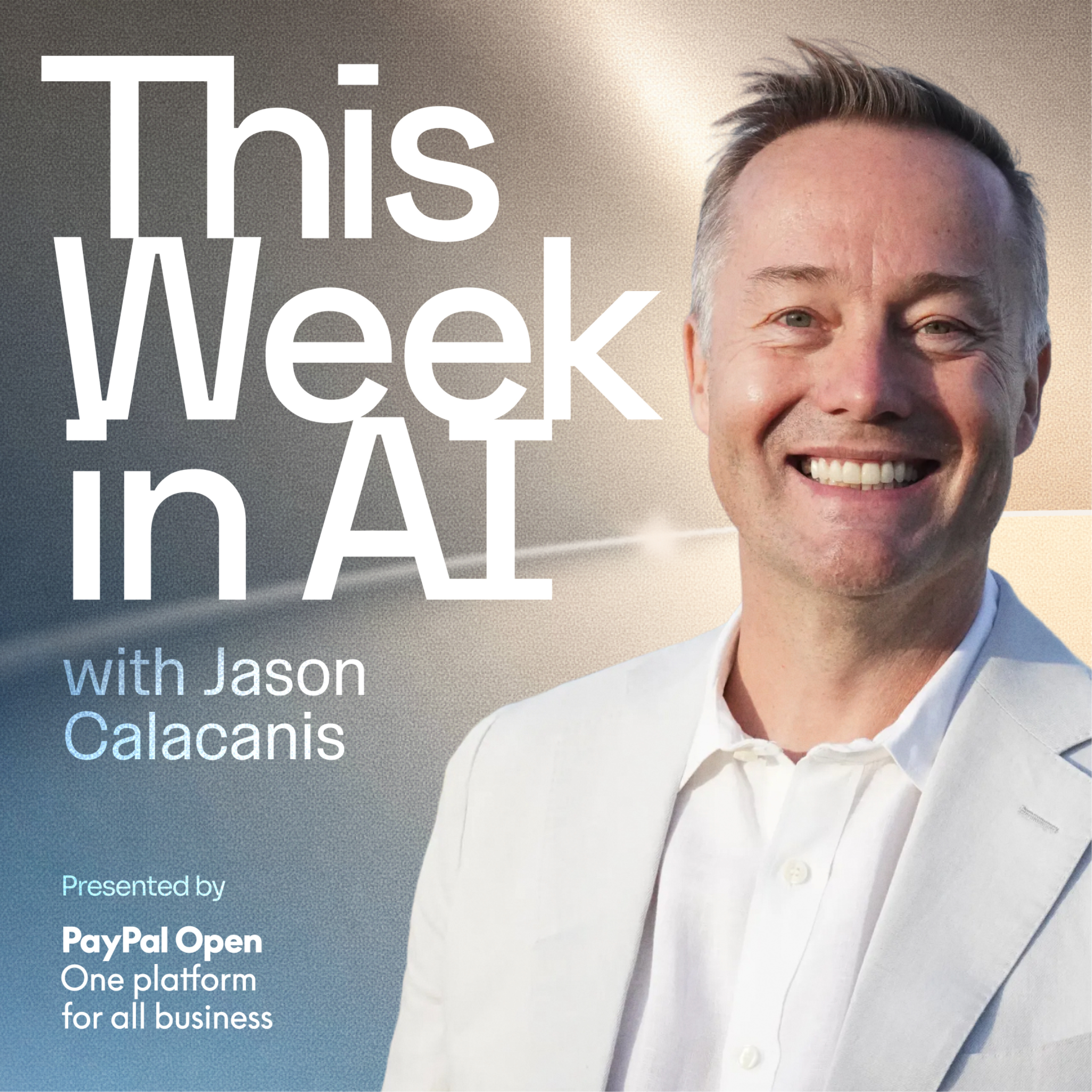
AI has moved from a coding assistant to a direct replacement for junior engineering and QA roles. The evidence is in the budgets: OpenClaw creator Pete is spending $1.3 million monthly on tokens to power over 100 agents that autonomously manage a GitHub repository. On Nerd Snipe, hosts argued this 'token maxxing' eliminates human bottlenecks, with agents reviewing PRs, de-duplicating thousands of issues, and running security scans.
The economic pressure is intense for startups. On This Week in Startups, Jason Calacanis argued the only way to escape being a 'cost center' is to found a company, as AI automates away entry-level positions. Data from The Information reveals a stark consolidation: OpenAI and Anthropic now capture 89% of all AI startup revenue, creating a duopoly that sucks oxygen from the application layer.
"Pete is currently running a high-stakes research experiment on the future of labor. He spent $1.3 million on 603 billion tokens in 30 days to power over 100 autonomous agents that manage his GitHub repository."
- Theo and Ben, Nerd Snipe
This shift is triggering a 'SaaS apocalypse,' according to Nathaniel Whittemore on The AI Daily Brief. He notes the market narrative has flipped from questioning AI's viability to fearing its effectiveness at replacing entire software categories. Fully agentic companies like Pulsia are demonstrating the 'zero-employee' model, reaching $6 million in annualized revenue with a single founder.
Resistance is forming in the form of 'punk software.' On This Week in AI, Imbue co-founder Kanjun Q warned that frontier labs will vertically integrate into every profitable niche. The defense is building orchestration layers that can easily swap underlying models, avoiding lock-in. Cursor’s CEO declared 'wartime,' building its own model, Composer 2.5, to undercut API costs by 90% and escape dependence.
"The only way to escape a permanent underclass in the AI economy is to start a company, as being a worker for someone else makes you a cost center."
- Jason Calacanis, This Week in Startups
The capability overhang between companies is widening. Whittemore's data shows enterprise use is pivoting from time savings to new revenue streams, but adoption is uneven. While 91% of customer service departments use AI, legal and finance lag due to data quality issues. Companies that bridge this gap see compounding gains; those stuck in cost-cutting pilots fall behind.
For graduates entering this market, the mood is betrayal, not anxiety. Calacanis compared booing at commencements to 1960s anti-war protests, with students feeling drafted into an 'AI army' amid 100,000 tech layoffs. The tools they used to earn degrees are now seen as liquidating their career prospects before they begin.