The narrative around Andrej Karpathy joining Anthropic is shifting from public relations to practical research. The AI Daily Brief notes Karpathy is explicitly focused on using Claude to accelerate Anthropic’s own pre-training research. This is a recursive self-improvement (RSI) effort. ‘Researchers believe this loop is the key to the endgame of model IQ increases,’ host Nathaniel Whittemore observed.
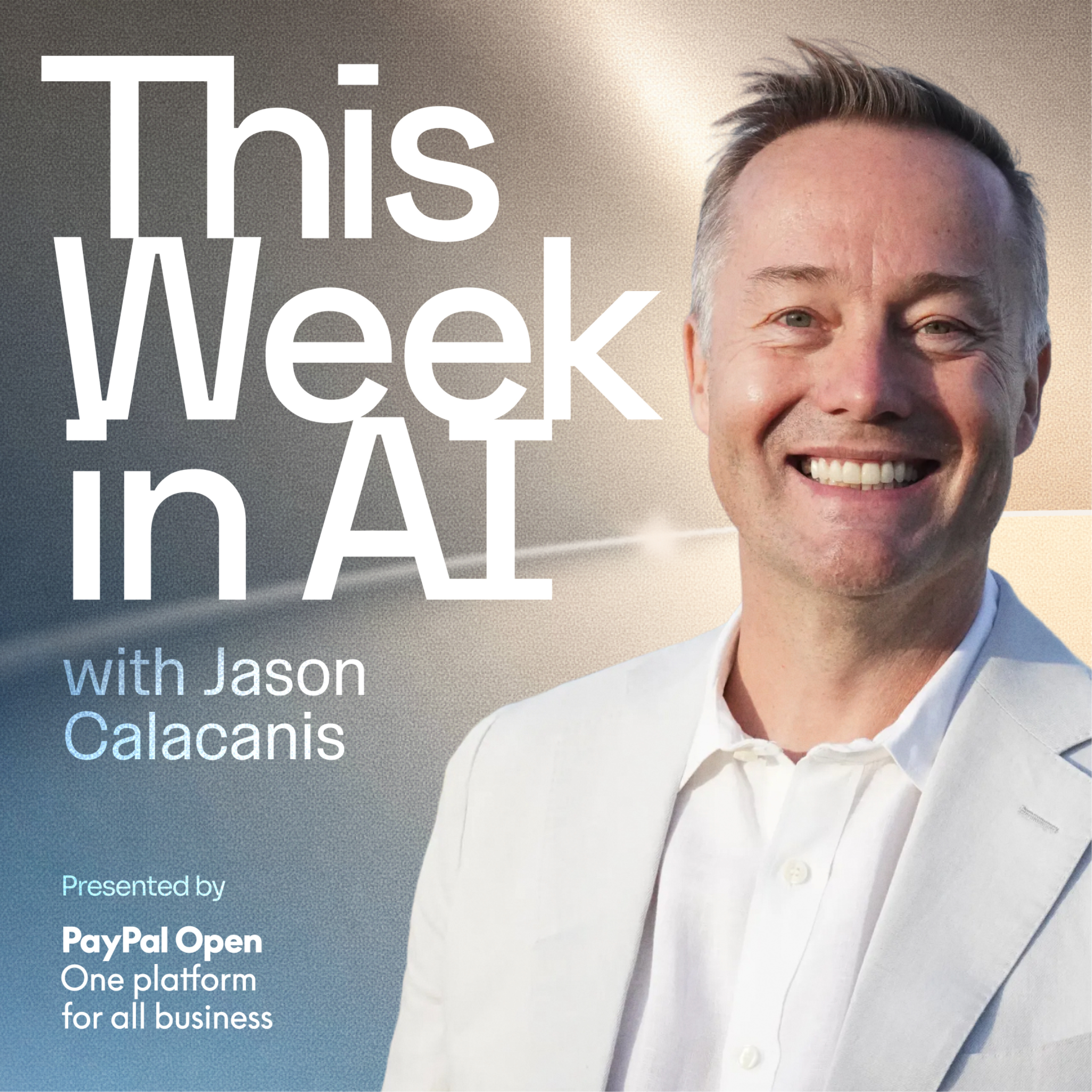
TMT Long Short argues the hire signals labs are nearing this breakthrough, which would cause compute value to explode. This Week in AI’s Jason Calacanis framed the recruitment as a cynical ‘golden cage’ tactic - using equity to lock elite talent up from competitors once a company hits a trillion-dollar trajectory. The consensus is Karpathy’s technical credibility matters, but the real prize is his focus on making the AI build the next AI.
“Karpathy is focused on using Claude to accelerate the research process for future versions of itself.”
- Nathaniel Whittemore, The AI Daily Brief
The industry’s focus has moved from writing code to orchestrating agents. Google’s Antigravity 2.0 effectively hides source code, forcing developers to interact with artifacts and agent orchestrators instead, a fast-follow to tools like Cursor and Claude Code. ‘In the future, nobody will want to look at a code editor,’ argued Dave on Moonshots.
This agentic shift creates a direct war for software revenue. Startups are building orchestration layers to prevent being cannibalized by frontier labs. Kanjun Q of Imbue warns labs will eventually come for every profitable niche. Her defense is ‘punk software’: tools built to tear down walled gardens, reliant on model agnosticism to swap underlying LLMs and avoid rug pulls. Jeremy Frankel of Fundamental argues the etiquette standard is Ownership of Output - AI work remains the user’s responsibility.
“Labs will eventually come for every profitable niche. Her defense is ‘punk software’: tools built to tear down walled gardens.”
- Kanjun Q, This Week in AI
Anthropic’s API pricing penalizes third-party providers, offering a 20x token savings plan only for customers using its first-party products. This subtle anti-competitive move aims to lock users into its ecosystem while the company, now profitable five years ahead of projections with a $44 billion revenue run rate, scales on a $45 billion SpaceX compute deal. The fight is over who controls the flow of intelligence.