The Frontier
Your signal. Your price.
Joe Lonsdale: American Optimist
- 6d ago
Shyam Sankar argues the US defense industrial base faces a crisis because we spent 10 years producing material that was expended in 10 weeks during Ukraine.
- 6d ago
Sankar cites a historical shift from dual-purpose companies to defense-only primes. In 1989, only 6% of major weapon spending went to defense specialists; companies like Chrysler, Ford, and General Mills also produced military goods.
- 6d ago
Palantir's culture was forged by heretics and a ruthless focus on outcomes, not sales. Sankar describes forward deployed engineers as people who metabolize pain and excrete product.
- 6d ago
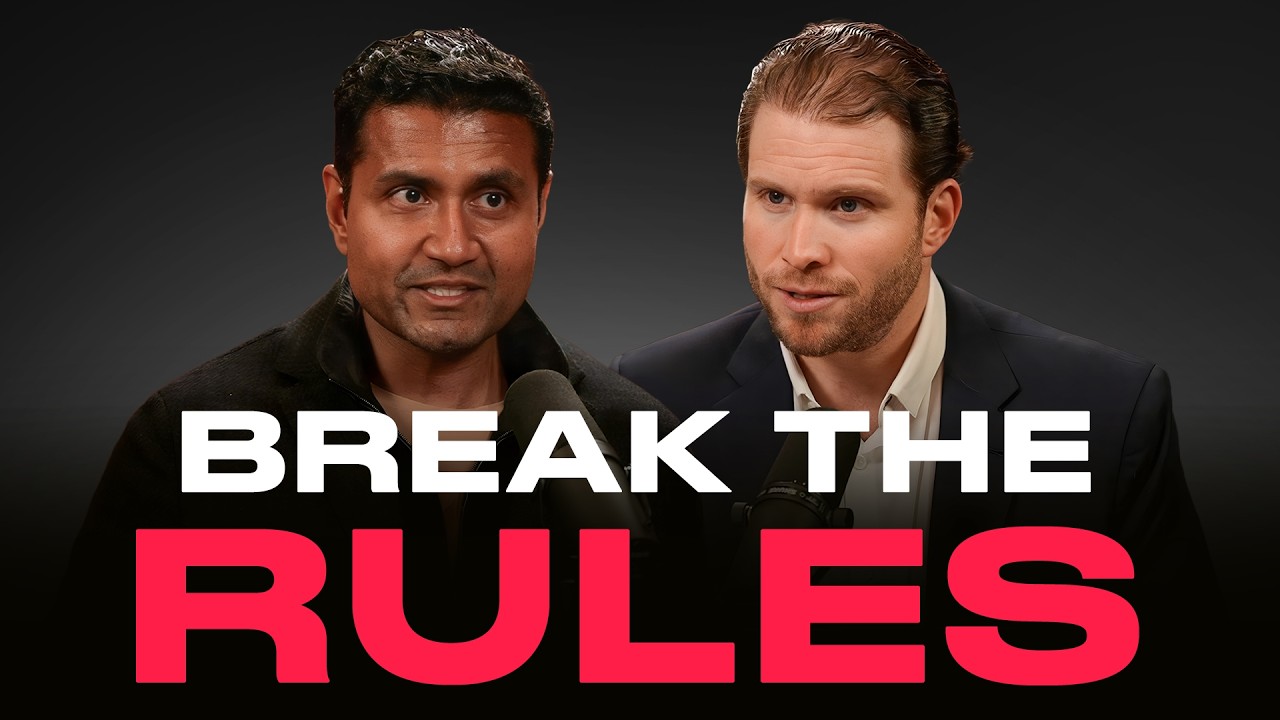
Sankar believes defense innovation consistently happens through heretics who break rules, citing Winston Churchill building tanks as the Royal Navy head and Andrew Higgins supplying 92% of WWII landing boats.
- 6d ago
Sankar advocates for gamma-ray growth - throwing yourself into near-fatal situations to unleash potential - over linear career progression. He argues many stop growing because they avoid risks after initial success.
- 6d ago
Sankar views Robert McNamara's Pentagon management post-1961 as flawed because he imported Ford's supply-constrained, efficiency-focused mindset into a monopoly buyer environment, stifling effectiveness.
- 6d ago
He contends AI in warfare accelerates the OODA loop, allowing effects to be applied before adversaries can respond. Sankar sees Project Maven's Epic Fury as a leapfrog, but believes another 10x-100x improvement is possible.
- 6d ago
Sankar argues autonomous weapons are a difference of degree, not kind, citing systems like Aegis from the 70s. Policy must balance risk to avoid showing up to a gunfight with a knife.
- 6d ago
He warns against 'tyranny by tech bro' using Theodore Hall's Manhattan Project treason as an example. Sankar says smart people need epistemic humility; policy must be set by accountable officials.
- 6d ago
Sankar's family emigrated after armed robbers attacked them in Nigeria. His father chose America due to its soft power promise, despite never having visited.
- 6d ago
He joined the Army Reserves at 44 to honor his father's sacrifice and set an example for his children, believing those who succeed should invest back into society.
- 6d ago
Sankar states America's greatest risk is suicide, not homicide. He believes optimism stems from reigniting a national spirit for innovation and the inherent craziness and adaptability of the American mind.