AI agents are getting smarter, but the infrastructure cannot keep up.
Today's AI assistants struggle with basic memory, forcing users to constantly reload context. As Brian Murray and Paul Itoi discussed on *TFTC: A Bitcoin Podcast*, true intelligence requires persistent recall, not just advanced language models. Solutions like graph databases are emerging as essential tools to give AI a long-term memory, shifting focus from raw processing to practical, integrated knowledge.
This push for smarter AI now includes self-improvement. Andrej Karpathy's Auto Research allows models to iteratively refine their own code in short loops. On *This Week in Startups*, Jason Calacanis and Alex Wilhelm noted this democratizes AI development, turning CEOs like Shopify's Tobi Lütke into tinkerers and suggesting private labs are accelerating even faster.
However, this newfound capability demands unprecedented compute. Dylan Patel, CEO of SemiAnalysis, explained on *Dwarkesh Podcast* that Big Tech commits hundreds of billions for future capacity, but AI labs need it now. OpenAI's aggressive early deals secured cheaper resources, while Anthropic's conservative approach now forces it to pay premium prices for last-minute compute in a tight market.
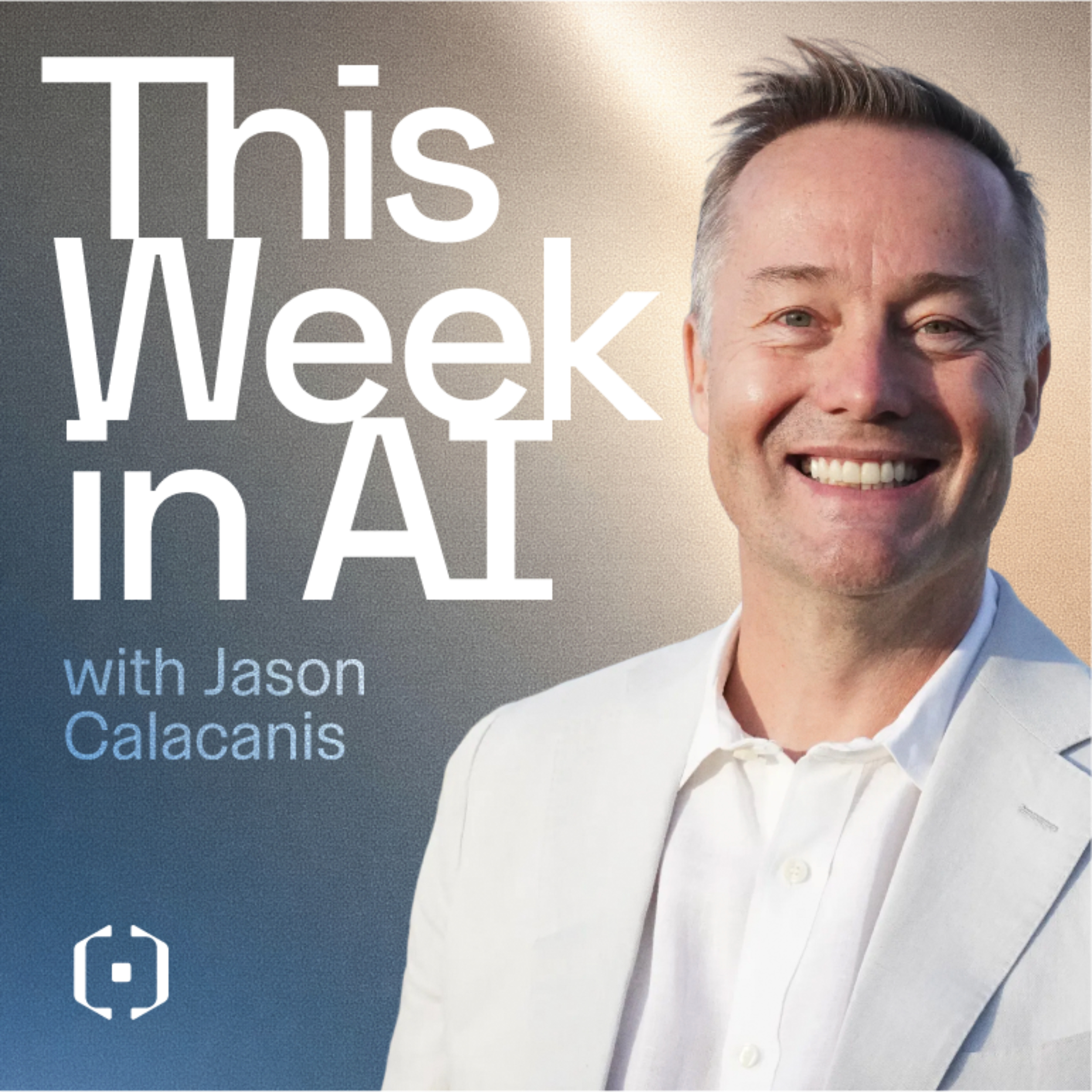
The scramble for resources extends beyond financial deals. Cities are already rejecting gigawatt-scale data centers due to concerns over water and energy strain. Philip Johnston, co-founder of Aethero, argued on *This Week in AI* that space-based data centers, powered by 24/7 solar and cooled by vacuum, offer a viable alternative if launch costs continue to fall with reusable rockets like Starship.
The rise of local, open-source agents like OpenClaw further complicates the picture. As Alex Finn and Alex Wang-Grimm highlighted on *Moonshots*, these "baby AGIs" are driving an unexpected hardware boom, particularly for Apple's Mac minis, but also exposing them to immediate security threats like hijacking and prompt injection attacks, forcing rapid evolution of their "immune systems."
The race to build smarter, more capable AI agents is now intertwined with a high-stakes competition for physical resources and a urgent need for robust security.
Alex Wang-Grimm, Moonshots:
- I think one has to feel sorry for all of these baby AGIs out there that are being hosted on virtual private servers and succumbing or at least being targeted with port scanning attacks.
- I think it's a dangerous world out there for these baby AGIs.