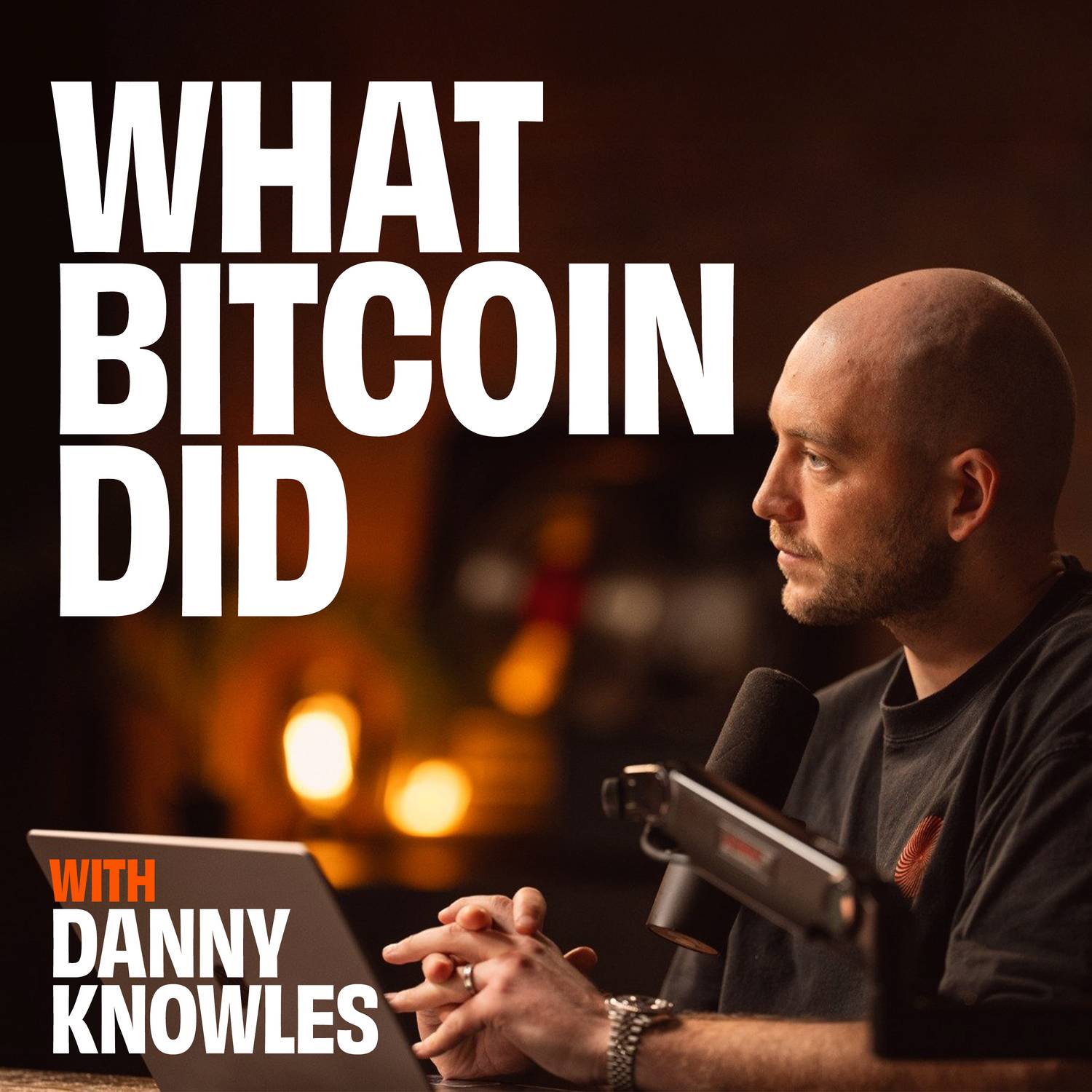
Corporate balance sheets are becoming Bitcoin’s single point of failure. Michael Dunworth on What Bitcoin Did argues that institutional adoption, led by firms like MicroStrategy, is funneling vast quantities of BTC into regulated custodians such as Coinbase. These centralized silos hold not just corporate treasuries but, by extension, a growing share of the network’s supply - Dunworth’s concern is not speculative but structural: thirty percent of Bitcoin’s liquid supply could soon sit in reach of a single regulatory order.
"If a nation-state faces a financial crisis, they won't need to hunt down millions of hardware wallets. They only need to target the few custodians."
- Michael Dunworth, What Bitcoin Did
This concentration risks reversing decades of work toward financial sovereignty. While retail holders self-custody with tools like Coldcard or Electrum, public companies operate under audit and compliance mandates that bar true decentralization. The result is a paradox: institutional demand lifts price but weakens the network’s resistance to seizure.
Meanwhile, the energy landscape is shifting beneath Bitcoin. Dunworth notes that forty of the top 200 ASX-listed companies are reallocating infrastructure to AI, a sector now treated as essential. When rationing hits, governments will prioritize AI data centers over Bitcoin miners. This isn’t speculative - miners already face curtailment in Texas during peak demand, while AI facilities receive priority access.
But this threat may strengthen Bitcoin in the long run. As industrial mining firms like IREN pivot to AI, their hash rate dominance declines, unintentionally decentralizing mining. The network becomes less reliant on a few massive players, pushing hash power toward smaller, distributed operators.
From the bottom up, Bitcoin is also hardening. Utreexo-based clients like Floresta now allow full nodes to run on home routers with just 200MB of RAM, slashing the hardware barrier. This shift, confirmed by a Bitcoin DevKit grantee, moves verification from trusted APIs to personal devices - cutting out third parties and closing privacy leaks.
"Utreexo allows those same users to verify the chain themselves, removing the need for a trusted middleman."
- Bitcoin Optech, Bitcoin Optech Newsletter #401 Recap
Protocol maturity is accelerating the same trend. Core Lightning, LDK, and LND are all moving splicing and Taproot channels into production, ending years of fragmentation. Payments now succeed across implementations because expiry values and commitment rules are aligned. This isn’t just stability - it’s the foundation for a more resilient, user-controlled network.