Legacy enterprise software’s moat is evaporating. Platforms like Workday built defensibility on painful, year-long migrations and universally disliked user experiences. Joe Schmidt IV on the a16z Show notes it took him six minutes to find basic compensation data in his company’s own Workday instance. That friction was once a barrier to exit. Now, AI-native migration tools can map and move complex databases in weeks, not months, giving CIOs the kinetic energy to rip and replace.
The real attack vector isn’t a better interface - it’s bypassing the portal entirely. AI agents are being designed to handle HR and IT workflows autonomously, rendering the seat-based subscription model obsolete. Schmidt argues that incumbents’ reported AI revenue, like Workday’s $400 million in AI ARR, often reflects “procurement innovation” and sales of flex credits rather than a fundamental shift to agentic architecture. The software remains a 2005-era vault.
"When a system is 'most important and least loved,' it creates a massive opening for any competitor that can solve the user's immediate pain without the 20-year-old architectural baggage."
- Joe Schmidt IV, The a16z Show
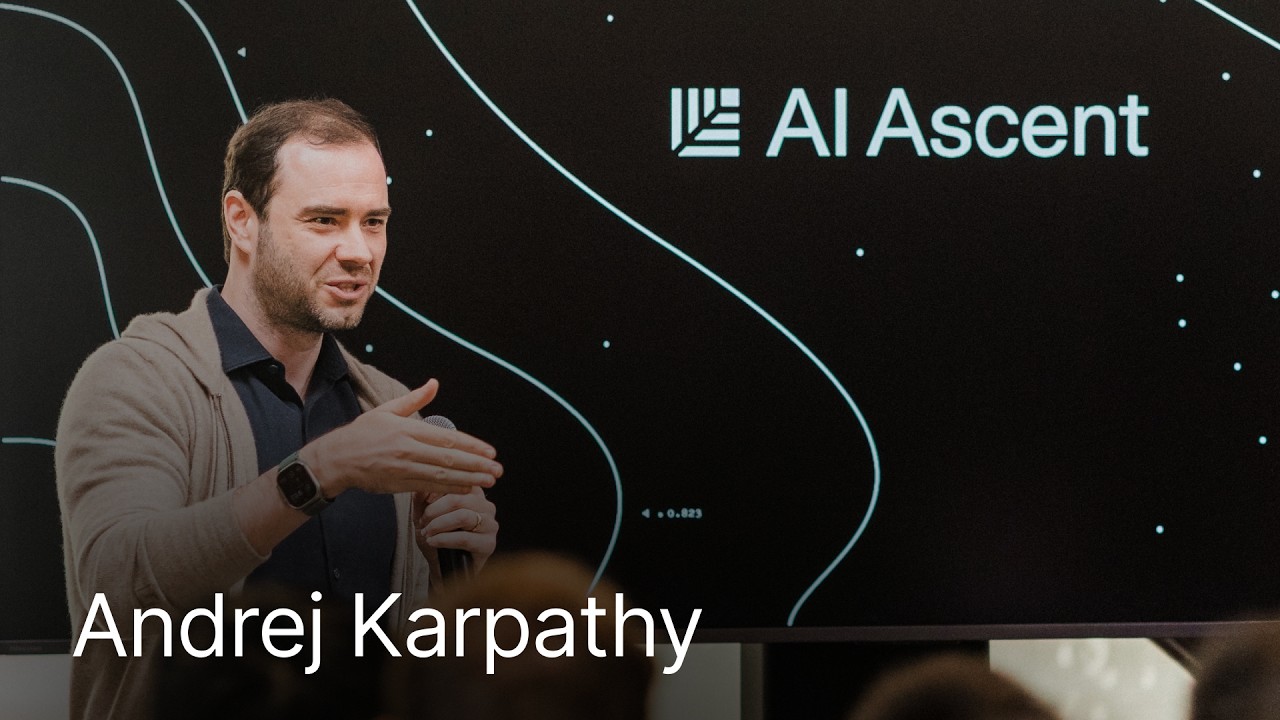
This shift redefines the skills that matter. Andrej Karpathy, on a Sequoia Capital podcast, frames the modern programmer as a director managing a fleet of ‘intern entities.’ The value isn’t in writing syntax but in the ‘spec’ - designing the architecture and maintaining the taste required to oversee AI-driven implementation. Vibe coding raises the floor, but professional software demands security and resilience that vibes alone cannot guarantee.
The data shows adoption is accelerating. Nathaniel Whittemore on The AI Daily Brief cites Ramp statistics showing Anthropic captured 70% of first-time enterprise AI buyers this cycle. Gartner projects 40% of enterprises will have working agents in production by year’s end, enabled by new tools like agent credit cards from Ramp and Stripe.
"Markets stopped asking if AI would work and started fearing it worked too well. The shift triggered 'wipeouts' across public software companies."
- Nathaniel Whittemore, The AI Daily Brief
Resistance is forming in the codebase itself. On The Pragmatic Engineer, Armin Ronacher argues AI-generated code lacks a human’s pain feedback loop. Senior engineers say no to avoid future complexity, but agents and junior engineers empowered by agents say yes, accelerating codebase bloat into “emergence state machines.” Mario Zechner, creator of the Pi agent, built his own tool to escape the bloat and silent “lobotomization” of commercial assistants like Claude Code, seeking a stable “hammer” he could modify himself.
The economic narrative has pivoted from bubble to build-out. Steve Hou on Forward Guidance argues the AI investment cycle, fueled by an estimated $650 billion in capex this year, is fundamentally inflationary as it competes for physical labor and energy. The immediate impact isn’t disinflation from productivity gains but a construction boom driving wages for electricians and plumbers up by 30%.
For now, the transformation is silent. Measured labor productivity data doesn’t yet show the gains, but the structural shift is underway in data centers and boardrooms. The companies that win will be those whose agents don’t just assist with tasks but dissolve the very concept of a software seat.