Bitcoin’s user base is undergoing a silent IPO, shifting from cypherpunk rebels to institutional utility. On TFTC, analyst Eric Balchunas noted corporations and ETFs scooped up one million Bitcoin while individuals offloaded 750,000 over the last sixteen months. This rotation is creating a Facebook effect: the original users might leave, but billions in institutional liquidity replace them.
The new buyers are older investors accustomed to traditional finance cycles. Balchunas argued that boomers entering via platforms like Vanguard are 'HODLers on steroids.' They treat Bitcoin as portfolio hot sauce - allocating only 1-2% - so they don't panic during 70% drawdowns. Crypto natives, often holding 90% of their net worth in the asset, experience every price swing as a survival event. Data shows that even during recent price drops, Bitcoin ETF inflows remained resilient.
"The stereotype of the 'weak-hand' retail boomer is a myth. They are accustomed to long-term cycles in oil, tech, and traditional equities."
- Eric Balchunas, TFTC
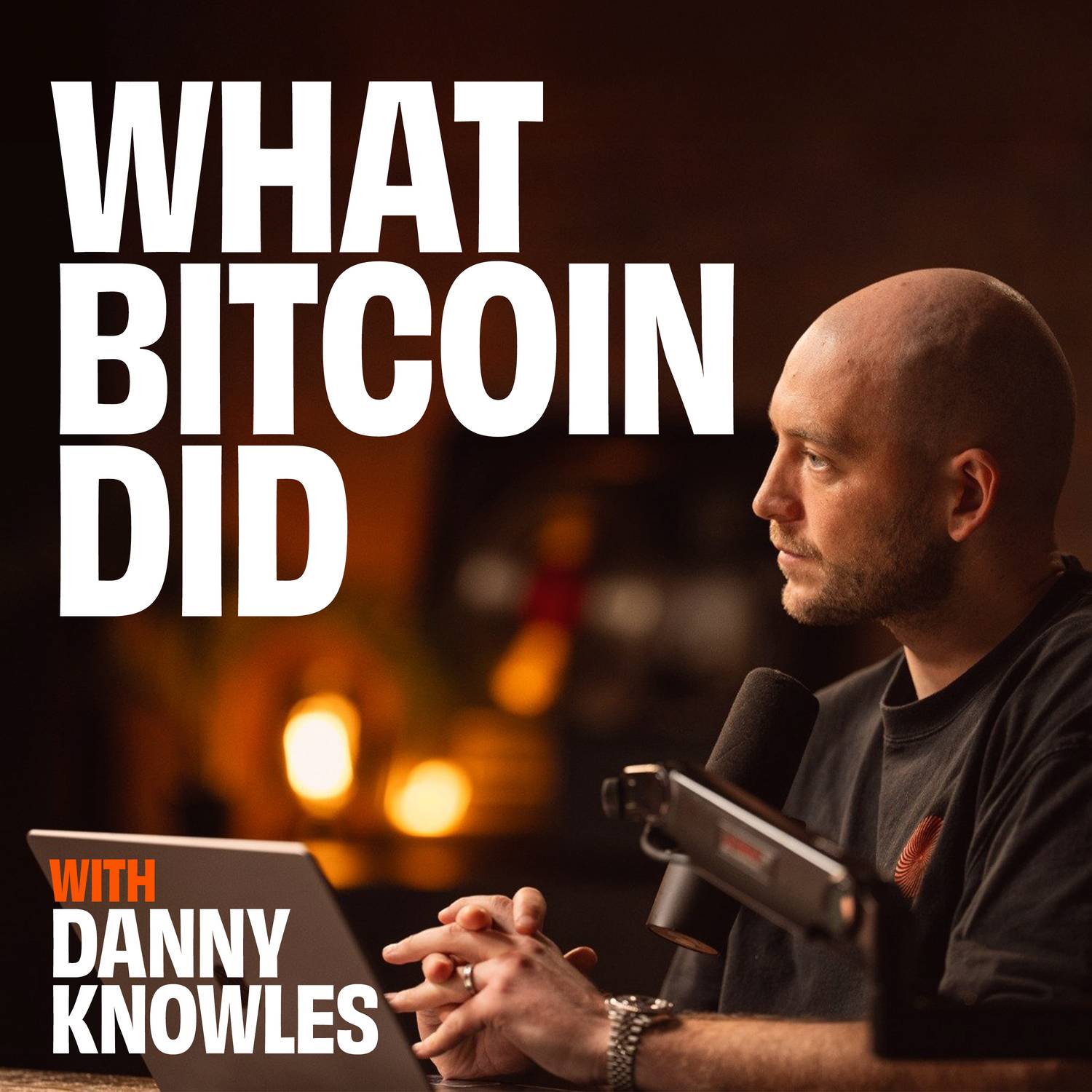
Meanwhile, on What Bitcoin Did, hardware developer Jonathan Pollock said self-custody tools are improving but haven't solved the fundamental problem of wrench attacks - physical coercion for keys. His company's Bitkey uses a 2-of-3 multisig design with fingerprint and NFC authentication, requiring two biometric scans separated by a configurable time delay to complete a transaction. The goal is to outlast an attacker’s patience, since most documented attacks end within a week.
Pollock views seed phrases as an 'instant compromise' vector. If the secret is exportable on paper or metal, the hardware has failed. Bitkey’s seedless architecture keeps the private key strictly on the device, moving away from the 'treasure map' model of security. Yet he conceded that during a wrench attack, the final escape route might be sending funds to a KYC-verified exchange, because institutions cannot be physically coerced in a living room.
The choice for investors is now stark: ETF exposure trades technical risk for political and business risk - the possibility of government seizure or institutional fraud. Self-custody carries private key risk - loss through technical failure or mismanagement. Pollock believes the tools are finally good enough that taking the risk on yourself is the rational move, but Balchunas’s data suggests Wall Street’s marketing machine will make any exit by the original base a rounding error.