The cypherpunks are handing over the keys. Data analyzed by ETF expert Eric Balchunas on TFTC shows a staggering rotation: over the last 16 months, corporations and ETFs have scooped up roughly one million Bitcoin while individuals offloaded 750,000. The new institutional base treats the asset as portfolio seasoning, a dynamic that may permanently reduce volatility.
Boomers coming through platforms like Vanguard are the unlikely bedrock. Balchunas argues these older investors are 'HODLers on steroids,' accustomed to long cycles and allocating only 1-2% of their portfolio. This 'hot sauce' approach removes the emotional volatility of a crypto-native whose net worth is on the line.
"They stay in because they believe they already have the best possible partner in firms like Fidelity or BlackRock."
- Eric Balchunas, TFTC: A Bitcoin Podcast
The shift is changing market mechanics. On Bitcoin And, David Bennett notes that Bitcoin price action now correlates more strongly with traditional macro data like the Producer Price Index, which just spiked to 1.7%. The market is increasingly steered by 'finance bros' reacting to Fed policy, not cypherpunk ideology.
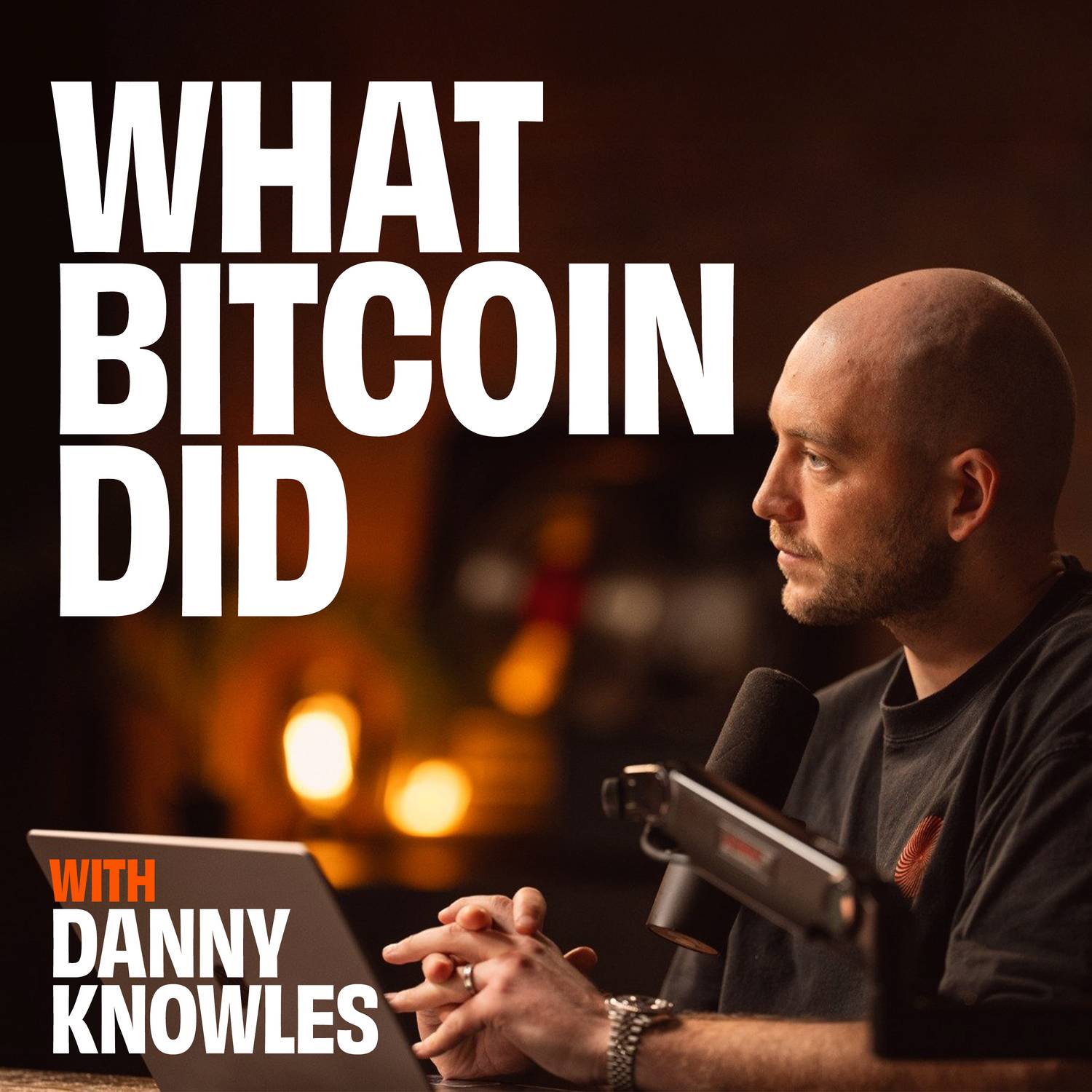
Simultaneously, the tools for true ownership are becoming idiot-proof. On What Bitcoin Did, security expert Jonathan Pollock detailed new vault designs using biometrics and time-locks to neutralize physical 'wrench attacks.' He also made the case against error-prone seed phrases, championing seedless architectures like BitKey that lower the technical risk of self-custody.
"Choosing between ETFs and self-custody is a choice between trusting politicians or trusting yourself."
- Jonathan Pollock, What Bitcoin Did
The convergence points to a new equilibrium. The original base may decry the 'suit-ification,' but Wall Street's gravitational pull and marketing muscle make their exit a rounding error. For the average person, the safer bet is no longer obvious; the risk of losing a key is now quantifiably lower than the political risk of an ETF being seized.
The silent IPO is complete. Bitcoin's steadfast holders are now retirees and asset managers, its price tethered to inflation reports, and its security managed by fingerprint scanners. The rebellion is professionalizing.