A quiet shift in Bitcoin’s power structure has reached its most audacious test: freezing the original creator’s coins. At OP Next, representatives from BlackRock and Coinbase signaled support for BIP 361, a proposed soft fork that would disable legacy UTXOs - specifically targeting coins with exposed public keys, including Satoshi Nakamoto’s untouched stash of roughly one million BTC. The justification: quantum computing could crack ECDSA signatures by 2029, making those coins vulnerable. But the remedy - freezing them - strikes at Bitcoin’s core promise of absolute scarcity and immutability.
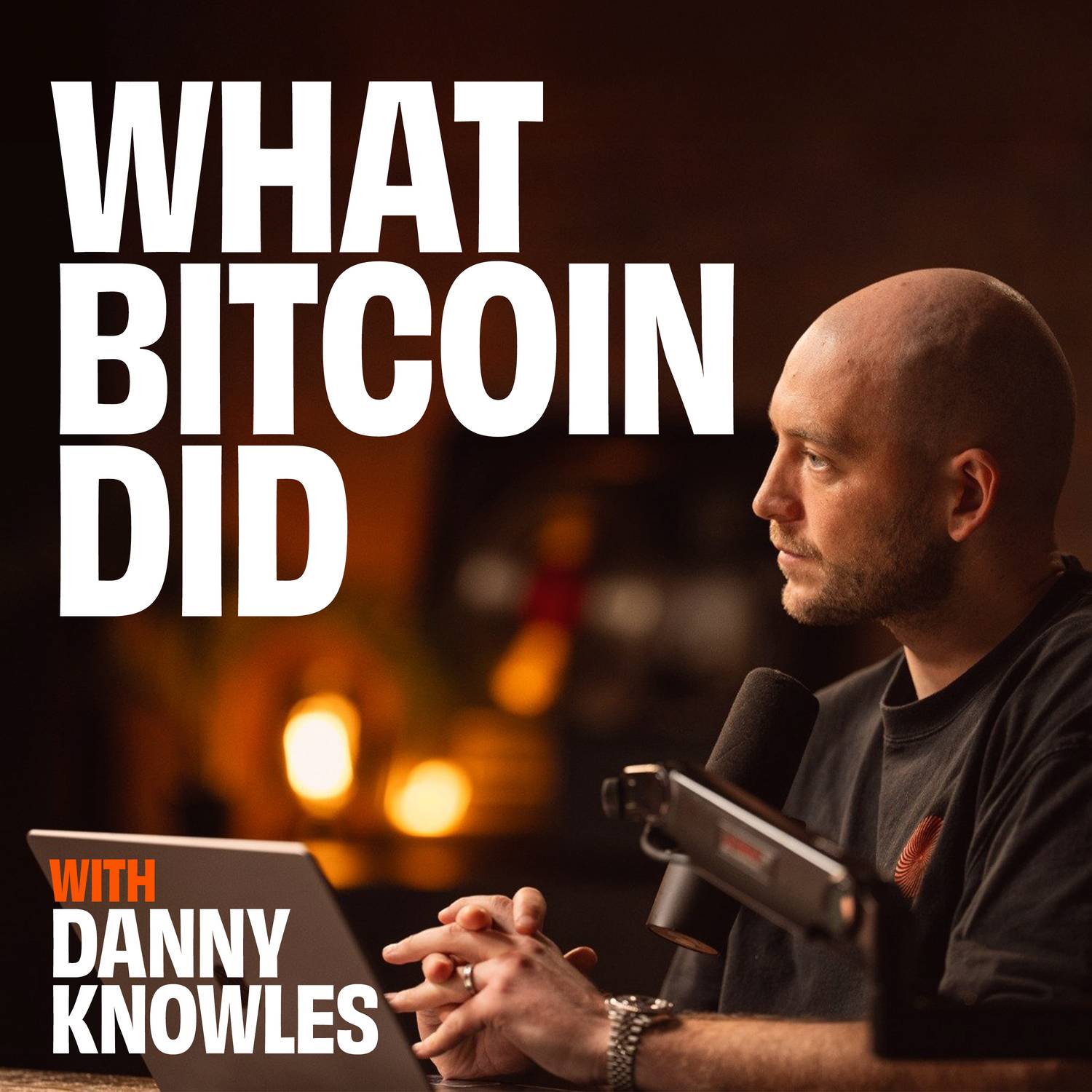
Rob Hamilton on What Bitcoin Did called it a 'survivalist' argument: if a quantum attack wipes out market confidence, a preemptive fork may be the only way to preserve value. But Danny Knowles countered that freezing coins, even to prevent theft, breaks the social contract. "You can’t claim censorship resistance while selectively disabling property," he said. The debate isn’t hypothetical. Jonas Nick’s Shrimps proposal, a post-quantum signature scheme, offers an opt-in alternative - preserving choice without forcing network-wide change.
The real power play lies in who decides which chain survives. In 2017, the Block Size Wars were fought by miners and users. Today, as Hamilton noted, the economic weight of ETFs and institutional custody - BlackRock’s IBIT, MicroStrategy’s treasury, Coinbase’s reserves - means exchanges and asset managers will effectively choose the winning chain. If they adopt a forked version that freezes legacy coins, the alternative chain risks being starved of liquidity and hash rate, regardless of ideological purity.
"If you don't hold your keys, you don't get to choose which side of the quantum divide you stand on."
- Rob Hamilton, What Bitcoin Did
This institutional dominance is accelerating a cultural shift. Matt Odell on Rabbit Hole Recap argued that the 'Hero's Journey' of Bitcoin - learning cryptography, surviving self-custody, embracing sovereignty - is being bypassed by ETFs and custodial wallets like Coinbase and Satoshi. New investors get price exposure without technical skin in the game. Preston Pysh observed that this dilutes long-term conviction. When the next crisis hits - quantum threats, regulatory pressure - this cohort may prefer a 'sanitized' chain over defending protocol integrity.
Michael Saylor’s financial engineering amplifies the stakes. His 'Stretch' product, which sold $2.7B in MSTR stock to fund Bitcoin purchases while promising 11.5% dividends, creates artificial demand. But as Odell and Marty Bent noted, it introduces systemic risk: if MSTR stock falls, the company must sell into a declining market to cover dividends, potentially destabilizing Bitcoin’s price just as the fork debate peaks.
The irony is thick. BlackRock, custodian of the world’s largest ETFs, now advocates for a change that would override the network’s founding code. Meanwhile, the tools to upgrade without coercion exist: Taproot, miniscript, and Shrimps offer paths forward that don’t require freezing coins. But institutions aren’t asking for options - they’re demanding control. If they get it, Bitcoin may survive the quantum threat. But it will do so as a different kind of money: one shaped by Wall Street, not cypherpunks.