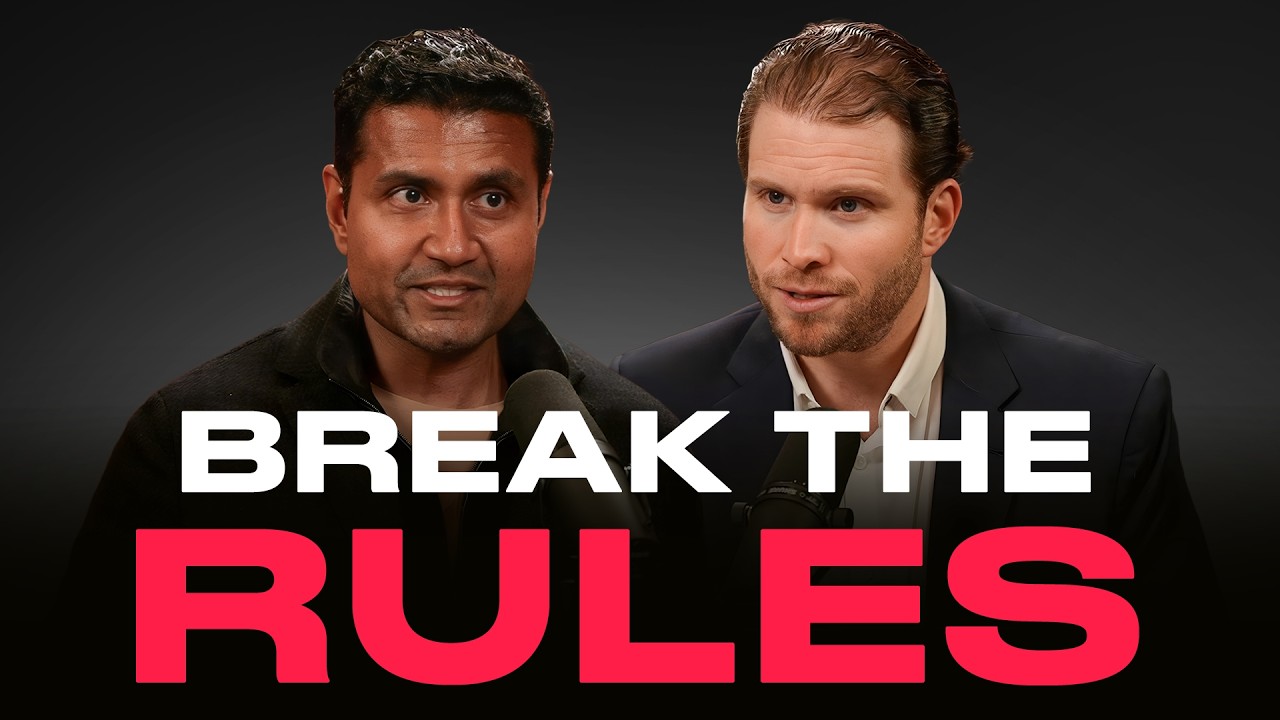
American deterrence is built on a shrinking stockpile, not an industrial base capable of wartime output. Palantir CTO Shyam Sankar laid out the collapse, contrasting today's bottlenecks with the World War II 'Arsenal of Democracy' model.
The problem isn't a lack of funding but a structural shift in the supply chain. Sankar noted that in 1989, 94% of defense spending flowed to dual-use companies like Chrysler and General Mills - entities that could ramp civilian production into military gear. Today, the Pentagon relies on a few specialized primes that cannot scale in a crisis. He frames the factory itself as the ultimate weapon, a capacity the US lost in a 'frog boil' of efficiency-seeking after the Cold War.
"We expended ten years of production in ten weeks of fighting in Ukraine."
- Shyam Sankar, Joe Lonsdale: American Optimist
Reviving that capacity requires more than money; it demands a cultural shift. Sankar traced the root of the stagnation to Robert McNamara's post-1961 Pentagon management, which imported Ford's supply-constrained, efficiency-focused mindset into a monopoly buyer environment. This 'monopsony' stifled competition and prized grinding down suppliers over maintaining surge capability.
Innovation faces bureaucratic sabotage. Sankar argued that national security breakthroughs are historically accidental, citing Winston Churchill’s rogue development of the tank. The system naturally rejects talent, treating innovators like pathogens. He pointed to Colonel Drew Kukor, who built the Project Maven AI enterprise in a Pentagon basement and faced internal investigations despite success.
"The bureaucracy feels threatened by outcomes it cannot control."
- Shyam Sankar, Joe Lonsdale: American Optimist
The path forward, Sankar argues, is to protect the 'crazy' people long enough for their results to become undeniable. He warns against 'tyranny by tech bro,' citing Manhattan Project scientist Theodore Hall who leaked secrets believing he understood geopolitics better than the state. Accountability must remain with elected officials, not Silicon Valley labs.
Sankar's personal stake is clear: his family emigrated after armed robbers attacked them in Nigeria, choosing America for its soft power promise. He joined the Army Reserves at 44 to honor that sacrifice. He believes America's greatest risk is suicide, not homicide - a loss of the national spirit for innovation and the inherent adaptability of the American mind.