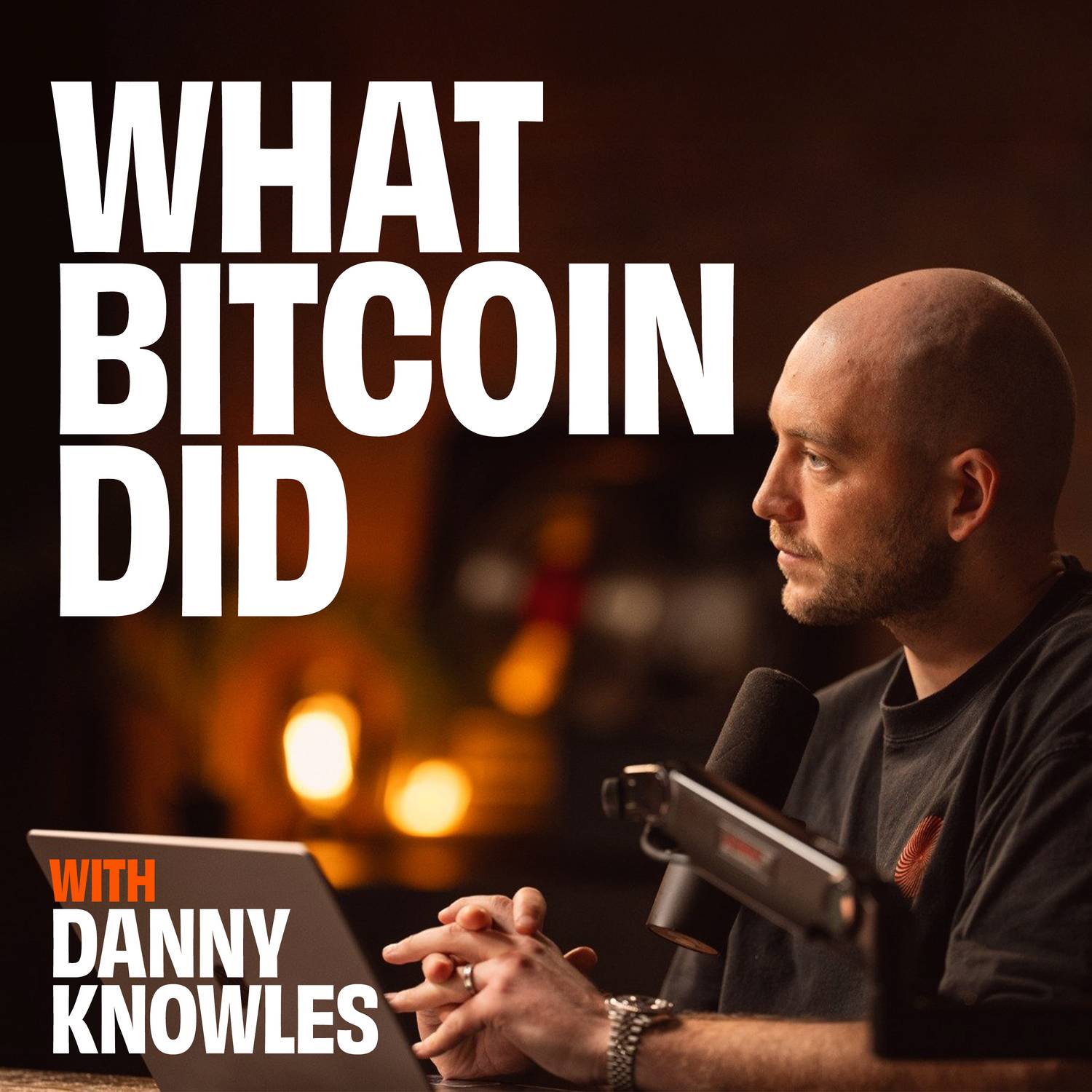
Jonathan Pollock, interviewed on What Bitcoin Did, sees seed phrases as an 'instant compromise' vector. Paper backups shift the battle to physical security - the exact place attackers win. His solution, BitKey's vault system, uses 2-of-2 multisig, biometrics, and a configurable time delay. Pollock cites a statistic from James Lopp: extending an attack beyond one week reduces incidents to 1% of documented cases. The goal is to make kidnapping Bitcoiners pointless.
"Industry solutions should protect Bitcoin even when an attacker knows your setup and you are fully compliant."
- Jonathan Pollock, What Bitcoin Did
Pollock criticizes duress pins and decoy wallets as flawed because they rely on deception, not math. The attacker's frustration escalates. The paradox, he argues, is that a KYC-verified custodial exchange might be the safest final destination for stolen keys. Institutions can't be coerced in a living room; they move the fight to identity verification, which kidnappers can't win.
This push for 'seedless' designs aligns with a broader shift toward biometric access, but TFTC host Marty Bent warns biometrics are a permanent liability. If a database leaks, your face is compromised forever. Gerald Glickman argues decentralized identifiers using local private keys, like Bitcoin wallets, are the alternative. The technical debt for collaborative custody is also being cleared. Bitcoin Core merged PSBT v2 to enable cleaner multisig setups, and Bitcoin Optech highlights Thomas V's proposal for trustless Lightning channels using blockchain fraud proofs and burned stake.
"Biometrics cannot be rotated if compromised, making them a permanent and unrecoverable liability."
- Gerald Glickman, TFTC
Pollock's conclusion frames Bitcoin's evolution. The choice isn't between complexity and safety, but between technical risk and political risk. ETFs offer permissioned price exposure, but Pollock believes the tools are now good enough that taking the risk on yourself is rational.