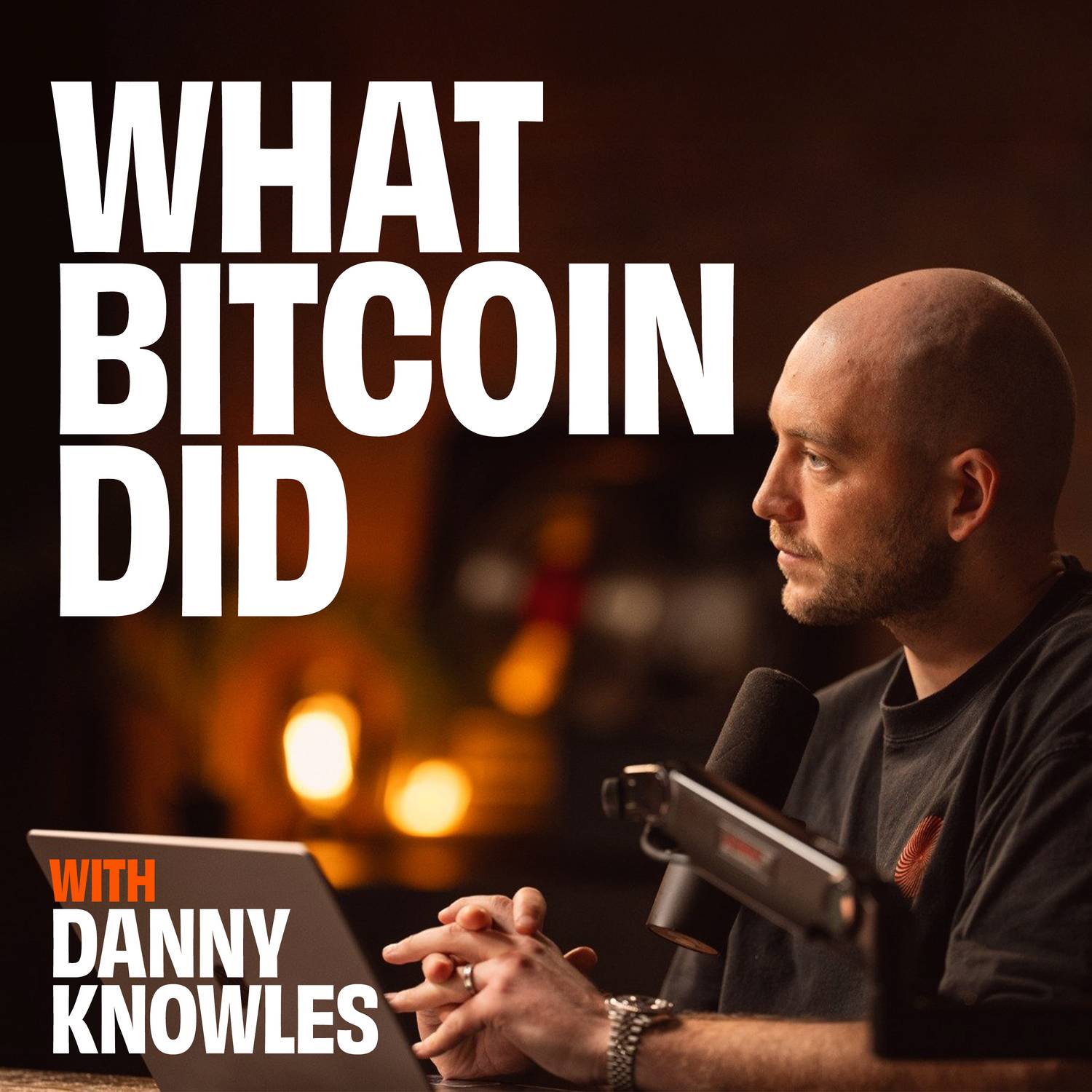
The final frontier for Bitcoin isn't price discovery - it's daily use. On What Bitcoin Did, Brian De Mint argued the network is stuck in its store-of-value phase, where investors hoard sats but rarely transact. For Bitcoin to become a true unit of account, he advocates a "spend and replace" model: paying a barber in sats establishes an economic connection outside the legacy system, moving value without surrendering sovereignty.
“To reach the final stage of becoming a unit of account, Bitcoiners must actually spend. When you pay a barber in sats, you aren't just offloading an asset; you are establishing an economic connection outside the legacy financial system.”
- Brian De Mint, What Bitcoin Did
This shift from savings account to payment network builds what De Mint calls an anti-fragile, parallel economy. Its resilience is bolstered by a shared ethos that acts as a powerful social filter. De Mint embraces the ‘cult’ label, arguing that high-conviction communities create a baseline of trust around personal responsibility and long-term thinking, making the network nearly impossible for regulators to dismantle.
Crossing from this dedicated base to mainstream adoption, however, requires a different tactic. Philip Charter, on Plebchain Radio, contends most Bitcoin marketing fails because it focuses on protocol infrastructure instead of human impact. He points to the Human Rights Foundation's model of handing the microphone to people on the ground. Facts convince the intellect, but stories capture imagination.
“Most Bitcoin marketing fails because it focuses on the protocol instead of the person. Nobody cares about a product until they see its impact on a life they recognize.”
- Philip Charter, Plebchain Radio
The parallel society extends beyond finance. De Mint links the community’s distrust of fiat to a broader skepticism of centralized systems like industrial medicine, critiquing doctors complicit in the opioid epidemic due to pharmaceutical sales quotas. For Charter, the broken legacy systems - like a publishing industry where 95% of books are unprofitable - are best replaced by decentralized, direct-support models like Nostr's value-for-value. The goal is the same: opt out and build anew.