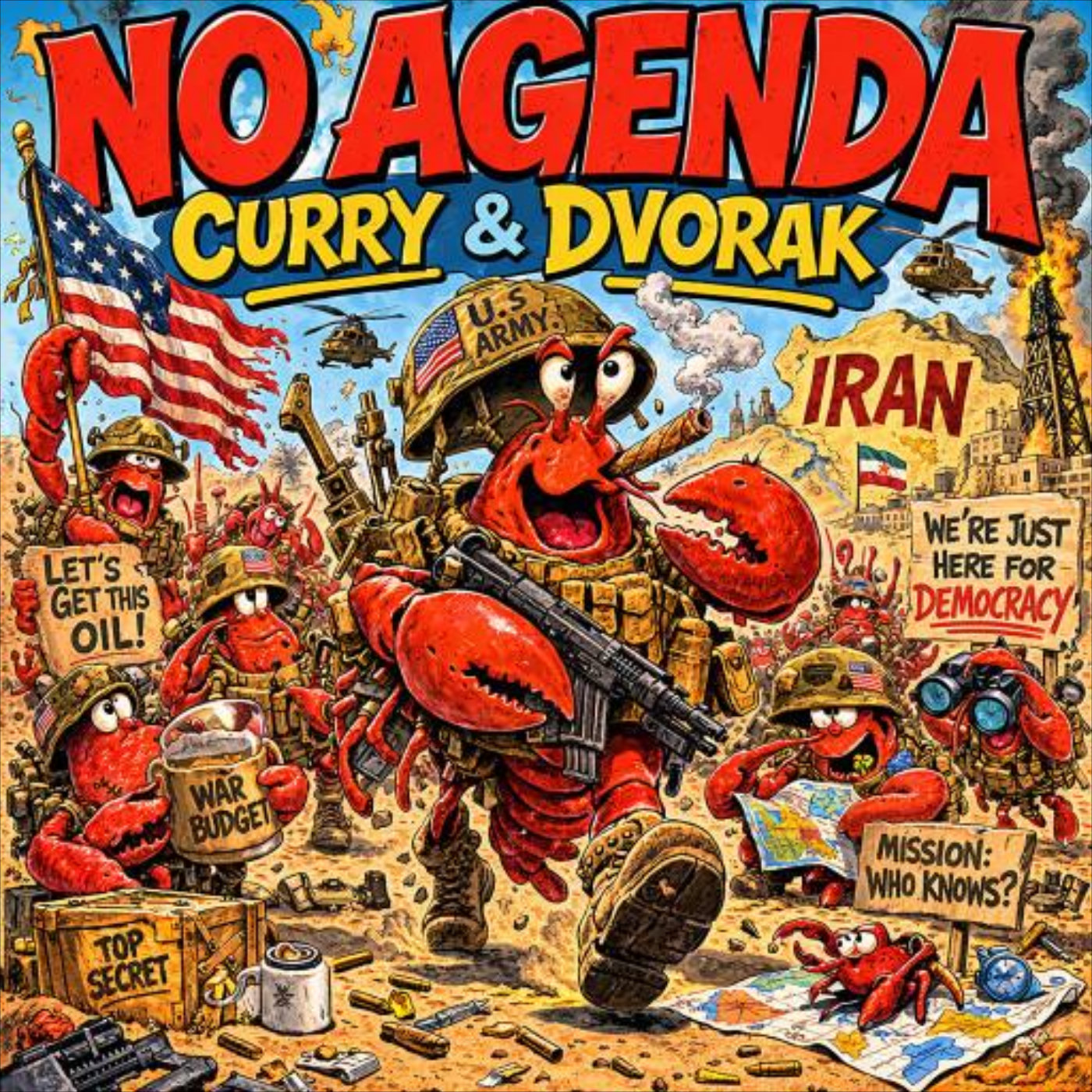
The physical reality of bombed tankers and seized chokepoints is colliding with market bets on political messaging.
Following the U.S. strike on Iran's primary oil terminal, prices spiked then plunged on President Trump's suggestion of a swift resolution. On All-In, Brad Gerstner framed this as a trade on the Trump doctrine, a strategy of pragmatic destruction over prolonged nation-building. The market is wagering this will be a short, sharp shock.
That optimism ignores the tangible damage. On Breaking Points, Saagar Enjeti detailed Iran’s immediate asymmetric response, striking a major oil depot in the UAE to drive prices higher. This is the escalation trap, where U.S. military steps are countered with economic pain. The deployment of over 2,000 Marines, as reported, edges the conflict closer to a ground campaign.
The economic data is turning. On Forward Guidance, hosts Clint and Felix argued that traders are dangerously focused on sentiment over substance. The recent recessionary jobs report, they noted, marks the start of a trend, not an outlier. High commodity prices are killing any economic reacceleration, creating a brutal bind for central banks.
The initial oil shock is hawkish, forcing a fight against inflation. But the pivot arrives when demand destruction triggers a recession, forcing rapid cuts. The market is teetering on the edge of that turn.
The fog of war is thick, but the storm's direction is clear: recession risks are mounting, and the market's short-war bet is a gamble against physical and economic escalation.
Felix, Forward Guidance:
- When it's a unilateral decision like tariffs, you can reverse it and taco and things work out.
- But when you introduce assets that are physical, it's no longer a unilateral decision.