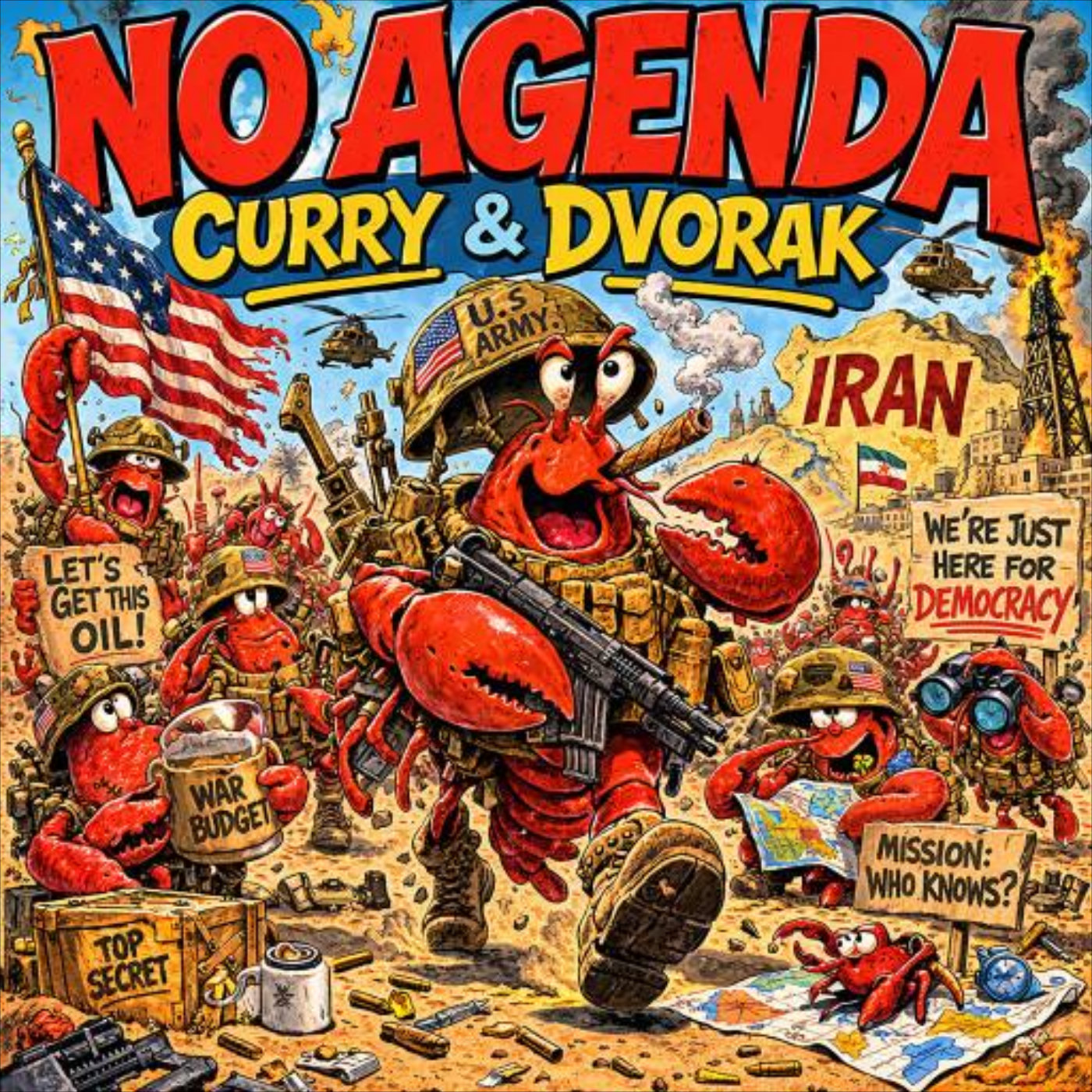
The propaganda phase is over, but the narrative management has intensified. As the U.S. engages in a kinetic war with Iran, media coverage reveals a tripartite strategy: distract the public, downplay the human cost, and demonize dissent.
On Breaking Points, Ryan Grim dissected the immediate distraction play. After Senators Marco Rubio and Tom Cotton stated the U.S. attacked Iran because Israel was about to, public opposition solidified. The media response, Grim argued, was to "gin up a little bit of distractive hatred." The resulting scandal focused not on war policy, but on an elected official’s spouse liking pro-Palestinian Instagram posts from 2023. CNN's Jake Tapper amplified the story, shifting the national conversation from wartime motives to personal sympathies.
Concurrently, the human cost of the conflict is being systematically soft-pedaled. The Pentagon initially reported only three U.S. troops killed and a handful seriously wounded in the opening drone strike. Saagar on Breaking Points revealed the grim reality: dozens evacuated with severe brain trauma, burns, and shrapnel wounds. This pattern of underreporting casualties at the outset, critiqued by both Breaking Points and the No Agenda Show, manages public perception as the war escalates.
For those still arguing for the war, the terms have changed. Tucker Carlson noted that proponents like Ben Shapiro no longer contend the conflict is in America's interest. The argument has morphed into a moral litmus test; questioning the war is framed not as disagreement, but as evil. This rhetorical shift, analyzed across Tucker Carlson and Breaking Points, aims to shut down debate now that munitions are flying.
The No Agenda Show highlighted the administration’s own bleak, honest messaging, from President Biden’s nuclear threats to Secretary Blinken’s admission that Israel "forced our hand." Yet the media apparatus works overtime to obscure these stark admissions, cycling through political clichés like "short-term pain for long-term gain" and amplifying unconfirmed terror warnings around events like the Oscars.
This media playbook isn't new, but its application to a live, escalating war with global energy implications makes the stakes concrete. The outcome may be decided by force in the Strait of Hormuz, but the battle to control the story is being waged on news desks and social media feeds.
Ryan Grimm, Breaking Points:
- My theory on what's going on here is that Marco Rubio I think drove some people completely insane when he said out loud that the reason we attacked Iran right now is because Israel was going to attack.
- And so think you gotta gin up a little bit of distractive hatred towards Muslims if you can, and who better to go after than Zoran Mamdani.