03-17-2026Price:

The Frontier

Your signal. Your price.

POLITICS

Shapiro's sober politics vs trump's old threats in election year

Tuesday, March 17, 2026 · from 2 podcasts
  • Donald Trump’s 1988 threat to seize Iran’s oil hub resurfaces as U.S. conflict escalates, revealing the durability of his confrontational rhetoric.
  • Josh Shapiro positions calm, results-driven governance as the antidote to political noise, drawing a sharp contrast in leadership style ahead of 2026.
  • Both moments reflect broader tensions: media recycling war clichés while real policy evolves through moral and practical reckoning.

Trump once threatened to take Karg Island. Now, the U.S. is at war with Iran. The line between past bluster and present action has blurred.

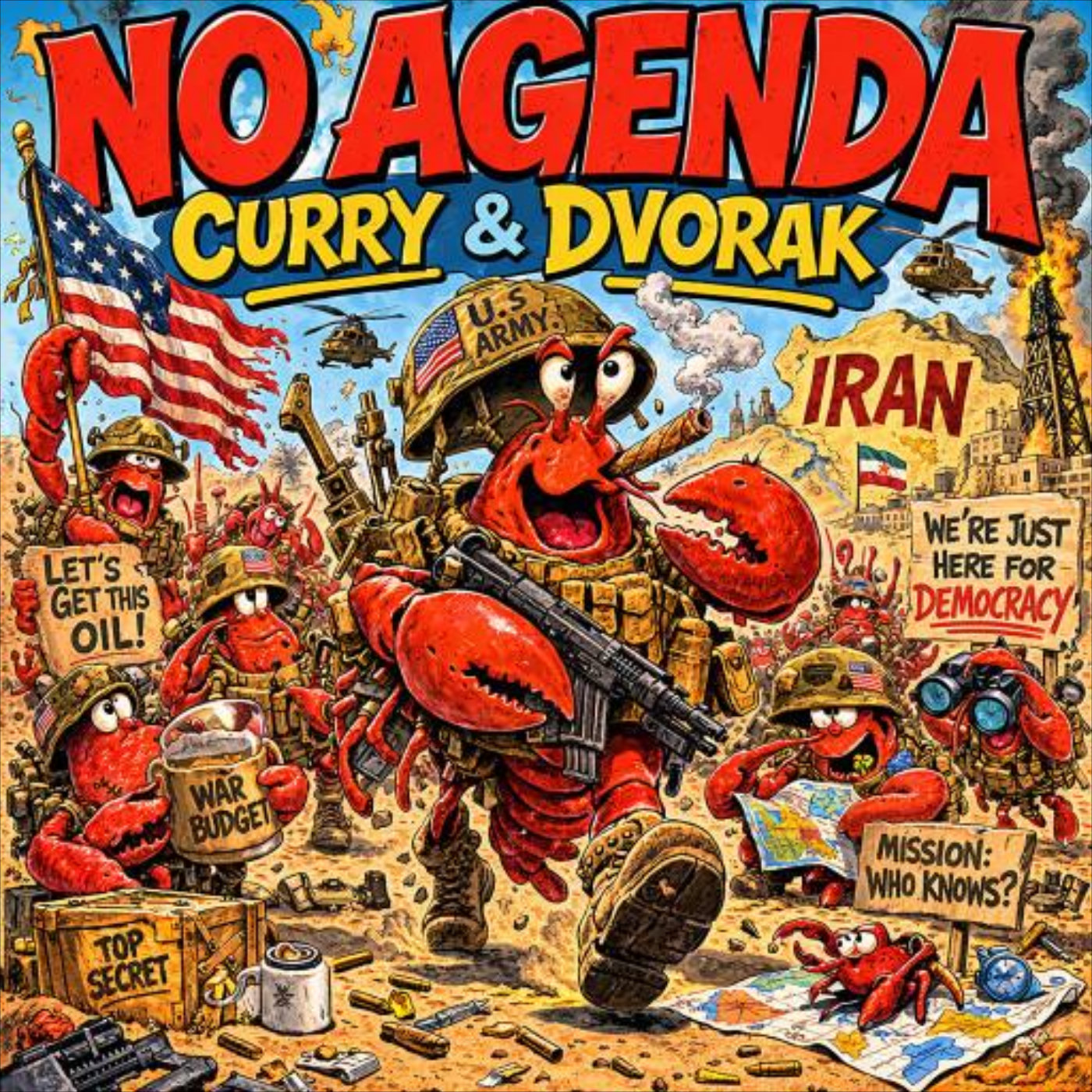
On Fox News, Trump dismissed his 1988 statement as absurd to answer, but offered no denial. The exchange aired on the No Agenda Show, which highlighted how politicians and pundits are repackaging war costs with the same empty phrase: short-term pain for long-term gain. The script hasn’t changed - only the stakes.

Meanwhile, Josh Shapiro is making the case that leadership isn’t performance. On Pod Save America, he argued that solving problems requires quiet consistency, not social media outrage. His own reversal on the death penalty - sparked by a question from his 11-year-old son - shows how conviction can shift when confronted with moral clarity.

The contrast is stark. One figure thrives on provocation, his past words now echoing in real-time conflict. The other builds credibility through restraint, treating policy as something to be tested, not declared.

Election-year politics will hinge on which model voters trust: the familiar thunder of Trumpism or Shapiro’s insistence that governance means delivering, not just declaring.

Donald Trump, on Fox News:

- Who would ask a question like that?

- And what fool would answer it, okay?

- Let's say I was gonna do it or let's say I wasn't gonna do it. What would I tell you?
Entities Mentioned

Fox NewsCompany

Source Intelligence

What each podcast actually said

1851 - "Mork & Mimi"Mar 15

  • Adam Curry and Mimi Smith-Dvorak deconstructed war coverage, including a U.S. tanker crash in Iraq, rising oil prices, and the easing of Russian oil sanctions.
  • The No Agenda Show highlighted a supercut of politicians and pundits repetitively using the phrase 'short-term pain for long-term gain' to justify the conflict's economic and human costs.

Also from this episode:

Media (6)
  • A 1988 interview in which Donald Trump threatened to seize Iran's Karg Island, its primary oil export hub, has resurfaced in media coverage of the 2026 U.S.-Iran conflict.
  • Fox News host Brian Kilmeade confronted Trump with the decades-old threat on air, a clip analyzed by the No Agenda Show.
  • Trump dismissed Kilmeade's question as foolish, rhetorically asking what fool would answer whether he would still seize the island.
  • Trump pivoted from the Iran question to boasting about his prescient 2000 call to kill Osama bin Laden, which he claims was ignored until after 9/11.
  • The hosts critiqued media factual sloppiness with a segment on the misidentification of a historic California bar, the Hotsy Totsy Club.
  • Co-host John C. Dvorak is recovering from heart surgery; Adam Curry reported Dvorak sounded unusually upbeat during a hospital call and is expected to be released soon.

Josh Shapiro Is Calm but Not CoolMar 15

Also from this episode:

Politics (6)
  • Josh Shapiro sees his children's entire political framework, apart from his own fatherhood, as defined by the cruelty and division of the Donald Trump era.
  • Shapiro argues a leader's job is to solve problems and deliver results, not to generate social media noise, saying yelling and screaming accomplishes nothing.
  • Shapiro insists on separating universal condemnation of anti-Semitism and Islamophobia from the nuanced policy debate over Israel and Gaza, to prevent false charges of bigotry.
  • Shapiro reversed his long-held support for the death penalty after confronting practical flaws in the justice system and hearing from victims' families.
  • The final catalyst for Shapiro's reversal on the death penalty was his young son asking a simple moral question he could not answer.
  • Shapiro believes good politics requires being open to changing your mind based on new evidence, human impact, and moral questioning.