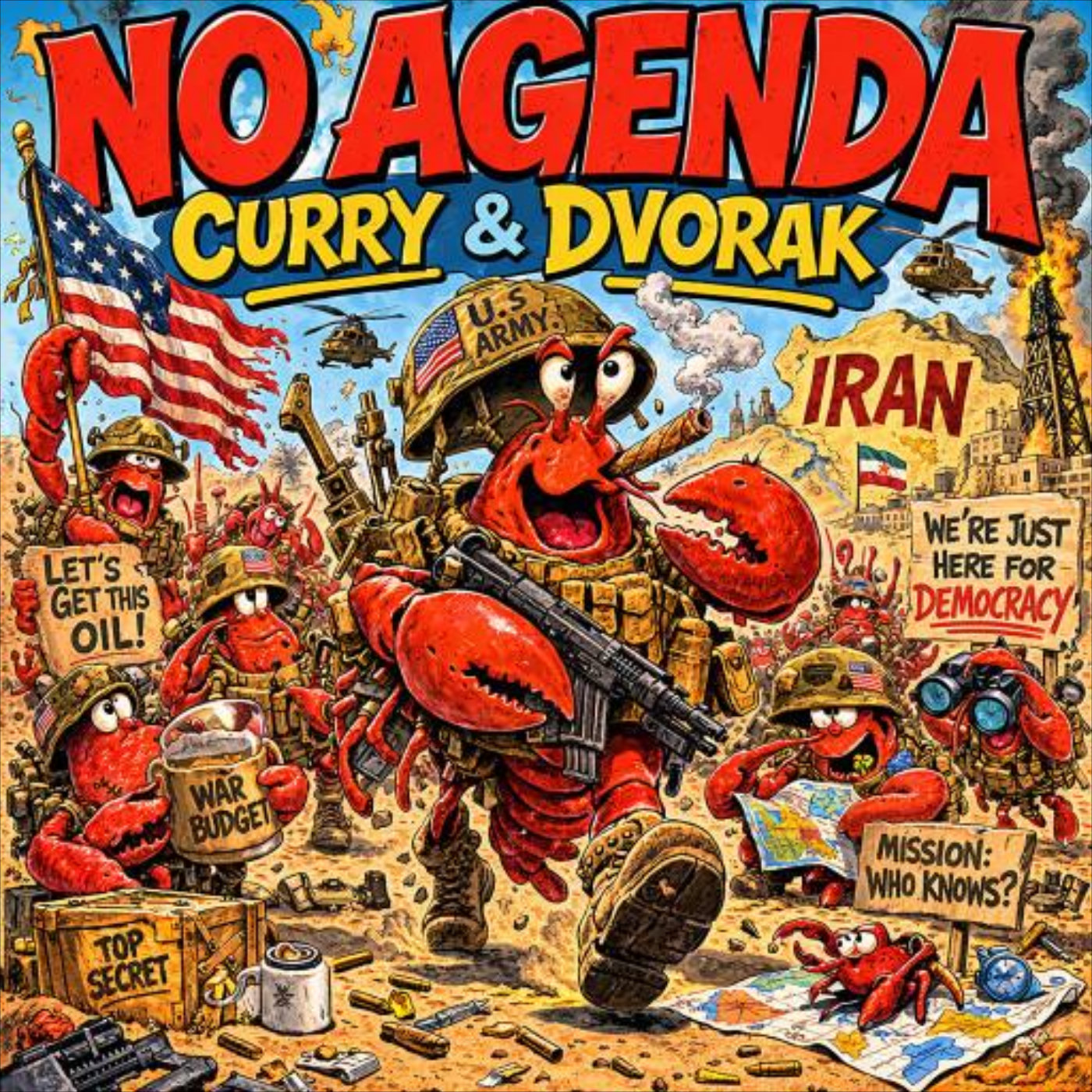
The U.S. is fighting two wars: one kinetic, one for public perception. The kinetic war, as Tucker Carlson frames it, has moved past propaganda. Its outcome will be decided by force, not messaging. Yet the battle for perception rages on, defined by a systematic media effort to hide the cost and change the subject.
On Breaking Points, Saagar reported the Pentagon's initial story of three dead and minor injuries from the Kuwait drone strike is false. Dozens of troops are hospitalized with brain trauma and burns. This casualty cover-up fits a pattern of managing public tolerance as conflict escalates. Meanwhile, political figures like Marco Rubio have stated the war was launched because Israel was about to attack, a motive most Americans reject.
Facing this credibility gap, pro-war media pivoted to distraction. Breaking Points dissected the manufactured scandal around New York City Mayor Zoran Mamdani's wife liking old pro-Palestinian Instagram posts. Ryan Grim argued the story, amplified by CNN's Jake Tapper, is designed to gin up hatred and divert attention from the real, unpopular reasons for the war. It shifts coverage from policy to policing personal sympathies.
The No Agenda Show highlighted another distraction tactic: security theater. They deconstructed an ABC News report about unconfirmed intelligence of a potential Iranian drone attack during the Oscars. Adam Curry connected the vague warning directly to the sudden deployment of hundreds of police and federal personnel, framing it as a feedback loop that manufactures alertness from thin air.
Against this, independent outlets are fighting for the narrative. Breaking Points reported Drop Site News won a key UK court ruling, defending its article on BBC bias with an honest opinion defense. Grim credited viewer donations, which raised over $250,000, for enabling the legal battle. This case exemplifies the resource war between institutional media and adversarial reporters.
The pro-war argument itself has morphed. Tucker Carlson noted figures like Ben Shapiro no longer try to sell the conflict as in America's interest. Instead, they brand questioning the war as evil, placing critics among conspiracy theorists. Carlson calls this yelping, irrelevant now that munitions are flying.
The strategic reality is grim. Senator Chris Murphy posted that the administration had no plan for Iran closing the Strait of Hormuz, and now doesn't know how to reopen it safely. The window for decisive action closes as Iran tightens its grip on the world's most important shipping lane, while the media tightens its grip on what the public is allowed to see.
Ryan Grim, Breaking Points:
- My theory on what's going on here is that Marco Rubio I think drove some people completely insane when he said out loud that the reason we attacked Iran right now is because Israel was going to attack.
- And so think you gotta gin up a little bit of distractive hatred towards Muslims if you can, and who better to go after than Zoran Mamdani.