The battlefield isn't just Kuwait or the Strait of Hormuz. It's public perception.
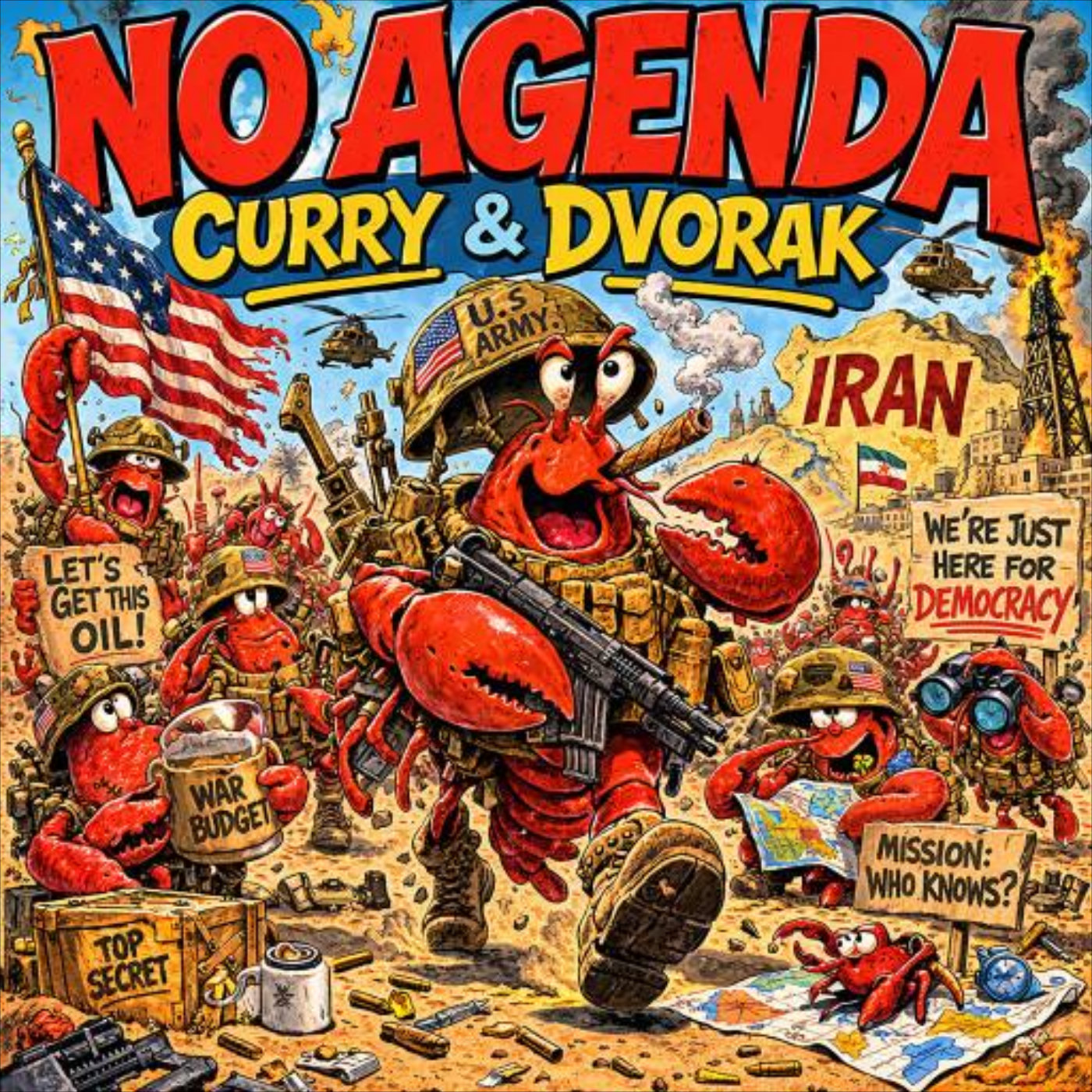
On Fox News, Brian Kilmeade tried to corner Donald Trump with a 1988 threat to seize Karg Island. Trump dismissed it as a foolish question. The No Agenda Show played the clip as part of its deconstruction of how media amplifies political clichés like "short-term pain for long-term gain" to justify conflict.
Tucker Carlson argues we've moved past propaganda to a kinetic war where force decides the outcome. He says Iran's victory threshold is simple regime survival, or possibly seizing the Strait of Hormuz. But the information war continues. Breaking Points reported the Pentagon's initial casualty count from the Kuwait drone strike was three dead and a handful wounded. New information reveals dozens hospitalized with brain trauma, burns, and shrapnel wounds.
Distraction is a key tactic. As public polling showed Americans believing the war served Israeli interests, a scandal erupted. Republican senators had stated the U.S. attacked Iran because Israel was about to. Ryan Grim on Breaking Points argued the timing was strategic. The media then pivoted to outrage over New York City Mayor Zoran Mamdani’s wife liking old pro-Palestinian Instagram posts. Grim called it a deliberate effort to "gin up a little bit of distractive hatred."
Fear is another tool. The No Agenda Show dissected an ABC News report about unconfirmed intelligence of a potential Iranian drone attack off California. With the Oscars approaching, Curry noted the vague warning justified deploying hundreds of police and federal personnel, creating a feedback loop that manufactured a state of alert from thin air.
Independent media faces its own battles. Breaking Points highlighted a UK court victory for Drop Site News against a BBC editor who sued over an article alleging pro-Israel bias. Grim credited viewer donations, which raised over $250,000 for legal defense, with enabling the fight. It's a resource war against institutional legal threats.
Cory Doctorow, on The Ezra Klein Show, described a broader enshittification of information ecosystems. When he sees bad things now, he thinks "this is by design and it cannot be fixed." That fatalism is the goal of controlled narratives. The war coverage exemplifies it: a system designed to obscure costs, redirect anger, and sustain conflict against public will.
Ryan Grimm, Breaking Points:
- My theory on what's going on here is that Marco Rubio I think drove some people completely insane when he said out loud that the reason we attacked Iran right now is because Israel was going to attack.
- And so think you gotta gin up a little bit of distractive hatred towards Muslims if you can, and who better to go after than Zoran Mamdani.